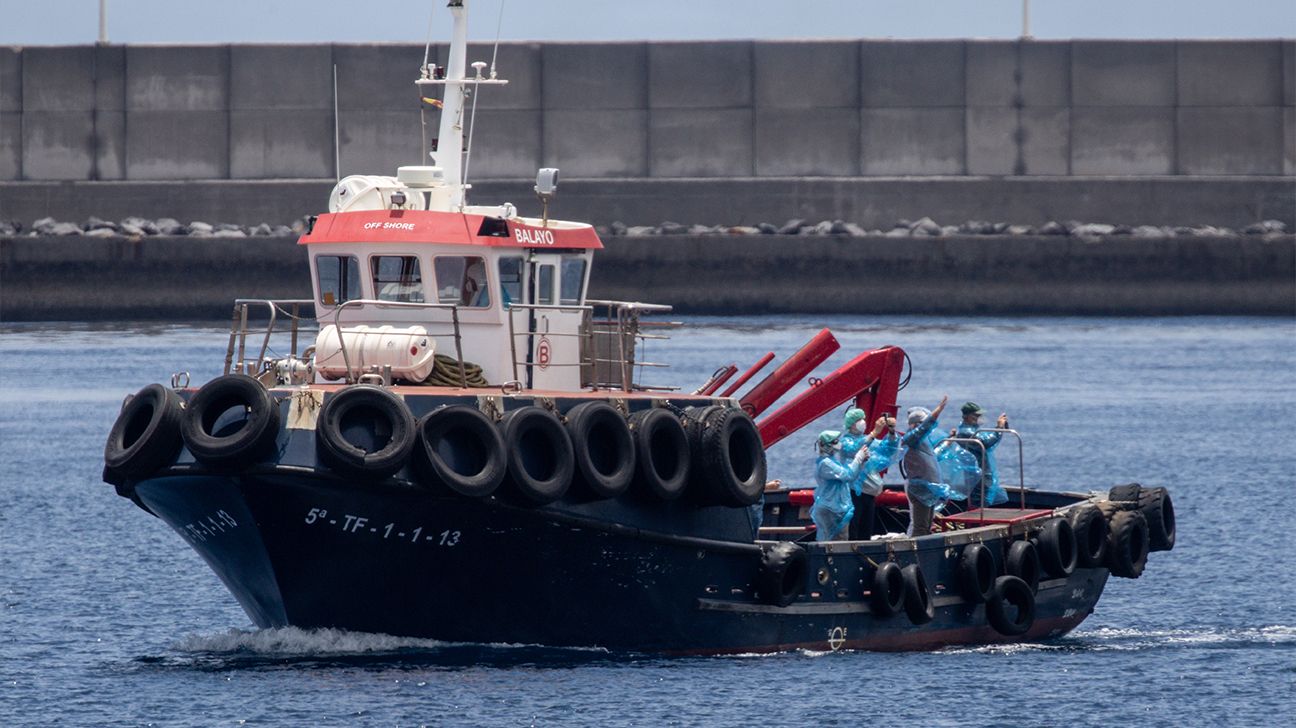
A hantavirus outbreak aboard the cruise ship MV Hondius has prompted public health officials to assess pandemic risk in the United States. The vessel carried passengers who contracted the virus, triggering evacuations and raising questions about hantavirus transmission in closed environments.
Hantavirus primarily spreads through contact with infected rodent droppings, urine, or saliva. The virus causes hantavirus pulmonary syndrome, a severe respiratory illness with a fatality rate around 38 percent. Unlike respiratory viruses such as influenza or COVID-19, hantavirus does not spread person-to-person through airborne droplets or casual contact. This distinction fundamentally limits pandemic potential.
The cruise ship setting created unusual exposure conditions. Rodent infestations on vessels can occur when food supplies attract mice or rats. Passengers may have encountered contaminated surfaces or aerosolized particles from rodent waste in shared ventilation systems. However, the outbreak did not demonstrate sustained human-to-human transmission, according to available information.
Public health agencies including the CDC monitor hantavirus cases closely. Infection requires direct exposure to rodent materials or, in rare instances, inhalation of contaminated dust. Prevention focuses on rodent control, proper sanitation, and protective equipment for those handling potentially contaminated areas.
The broader public health concern centers on rodent management in high-density environments like cruise ships. Regular pest control inspections, sealed food storage, and proper waste disposal reduce transmission risk. Passengers face minimal danger through normal ship activities.
Health experts note that while hantavirus poses a genuine threat to exposed individuals, its transmission biology prevents the kind of rapid spread necessary for pandemics. Respiratory viruses with efficient person-to-person transmission represent greater pandemic concerns. The cruise ship incident underscores the importance of maintaining sanitation standards on vessels but does not indicate a looming public health crisis