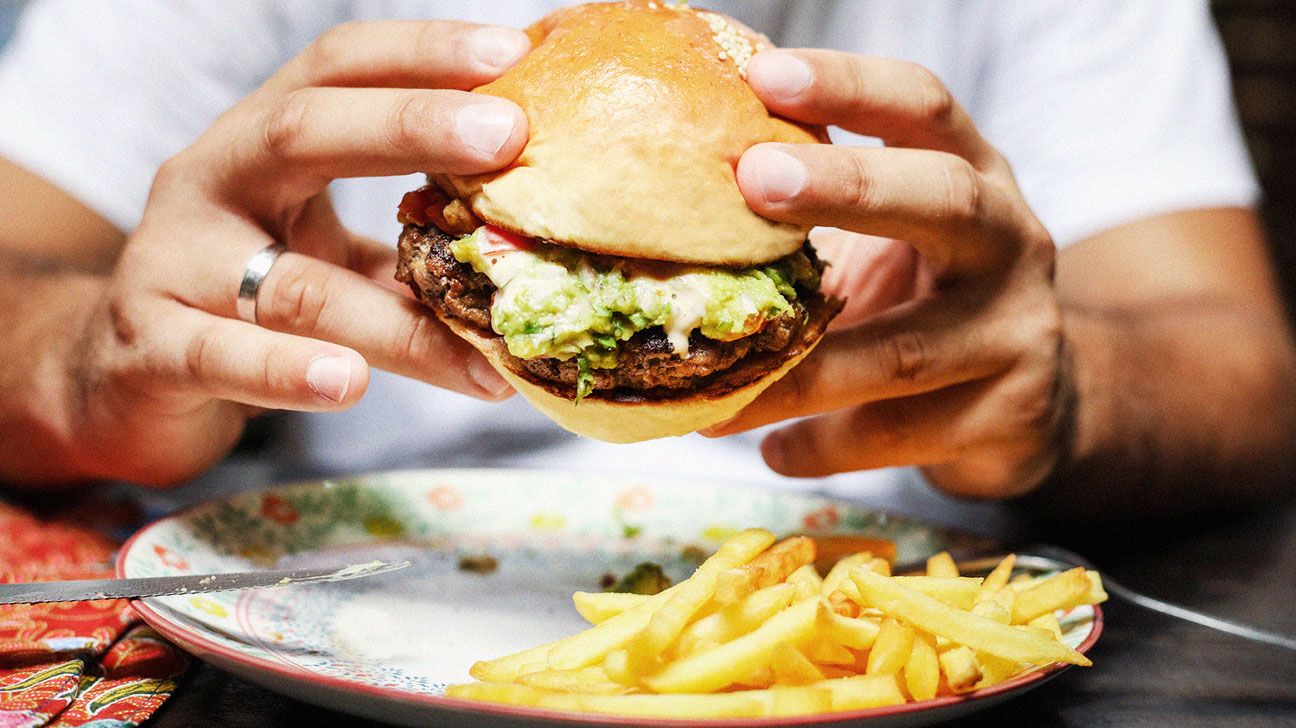
Alcohol consumption triggers cravings for ultra-processed foods through a mechanism involving the brain's reward system, according to recent research. Scientists have identified how alcohol affects appetite-regulating hormones and neural pathways that drive food choices.
When you drink alcohol, your body experiences a drop in blood sugar and changes in hunger hormones like leptin and ghrelin. Alcohol also activates the brain's reward centers in ways similar to eating high-calorie, ultra-processed foods. This dual activation creates a compounding effect. Your brain associates alcohol with the pleasure of indulgent eating, strengthening the connection between drinking and junk food cravings.
The research reveals that alcohol impairs your prefrontal cortex, the brain region responsible for impulse control and decision-making. With this area temporarily weakened, you're less likely to resist cravings for chips, burgers, pizza, and other ultra-processed options. Simultaneously, alcohol increases dopamine release, the neurotransmitter linked to reward and motivation, making those less-healthy foods seem more appealing.
Alcohol also disrupts your gut microbiome, the community of bacteria in your digestive system that influences appetite signals and food preferences. A compromised microbiome sends stronger cravings for processed foods containing added sugars and unhealthy fats.
For people managing their weight or working toward specific health goals, understanding this connection matters. The combination of alcohol's direct neurological effects and its impact on hunger hormones creates a powerful drive toward poor food choices. This isn't about willpower. It's biology.
If you drink regularly, awareness helps. Eating a balanced meal before drinking stabilizes blood sugar and may reduce the intensity of post-alcohol cravings. Staying hydrated also supports your body's regulatory systems. For some people, reducing alcohol consumption becomes part of a broader strategy for maintaining healthier eating patterns