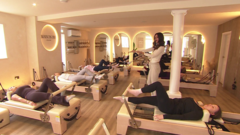
# Reformer Pilates Boom Sparks Safety and Standards Debate
The reformer pilates industry in the UK has exploded, with studios nearly decupling between 2024 and 2025, triggering urgent calls from health professionals for formal regulation and instructor certification standards.
The rapid expansion has outpaced oversight mechanisms. Unlike physiotherapy or personal training in many settings, reformer pilates instruction currently lacks mandatory qualifications or consistent safety protocols across the UK. This means anyone can legally open a studio and teach the method, regardless of anatomical knowledge or injury prevention training.
Health experts worry about injury risks. Reformer pilates involves specialized equipment with springs, straps, and moving platforms that demand precise body mechanics. Poor form or inappropriate progressions can strain the lower back, shoulders, and knees, particularly for beginners or those with existing musculoskeletal issues. Without qualified instructors who understand individual limitations and modifications, clients face preventable harm.
The British Pilates Method Association and independent physiotherapists have begun advocating for mandatory instructor training standards and accreditation systems. They're pushing for requirements similar to those governing fitness instructors, which typically involve certification courses, anatomy education, and continuing professional development.
Studios vary wildly in their approach. Some employ certified instructors and conduct thorough health assessments. Others offer minimal screening and generic classes that don't account for individual needs. This inconsistency leaves consumers unable to reliably distinguish safe, well-run facilities from risky ones.
Market demand drives the boom. Reformer pilates appeals to fitness enthusiasts seeking low-impact strength training and to older adults seeking mobility work. Social media amplifies interest, with influencers regularly promoting the method. The accessible pricing model of class packages has democratized access compared to traditional one-on-one physiotherapy.
Regulatory bodies are beginning to respond. Industry stakeholders have