Beer consumption and body odor make you more attractive to mosquitoes, research shows. Scientists have identified specific compounds in human sweat and alcohol that draw these insects to certain people.
A study published in PLOS Biology found that mosquitoes are drawn to lactic acid, a chemical naturally present in human sweat. This acid releases from the skin through pores, creating an invisible beacon for the insects. People who produce more lactic acid or have higher concentrations on their skin become mosquito magnets.
Alcohol amplifies this effect. When you drink beer, your body metabolizes it and releases ethanol through your skin via perspiration. Mosquitoes detect this alcohol in your sweat and are more likely to bite you after you've had a drink. The combination of beer and sweat creates a particularly strong attractant.
Body odor plays a role too. Mosquitoes rely heavily on their sense of smell to locate hosts. Natural human odors from bacteria on the skin, combined with sweat compounds, create a complex scent profile that some mosquitoes find irresistible. Genetics partly determines how attractive your body odor is to these insects, which explains why some people get bitten more frequently than others.
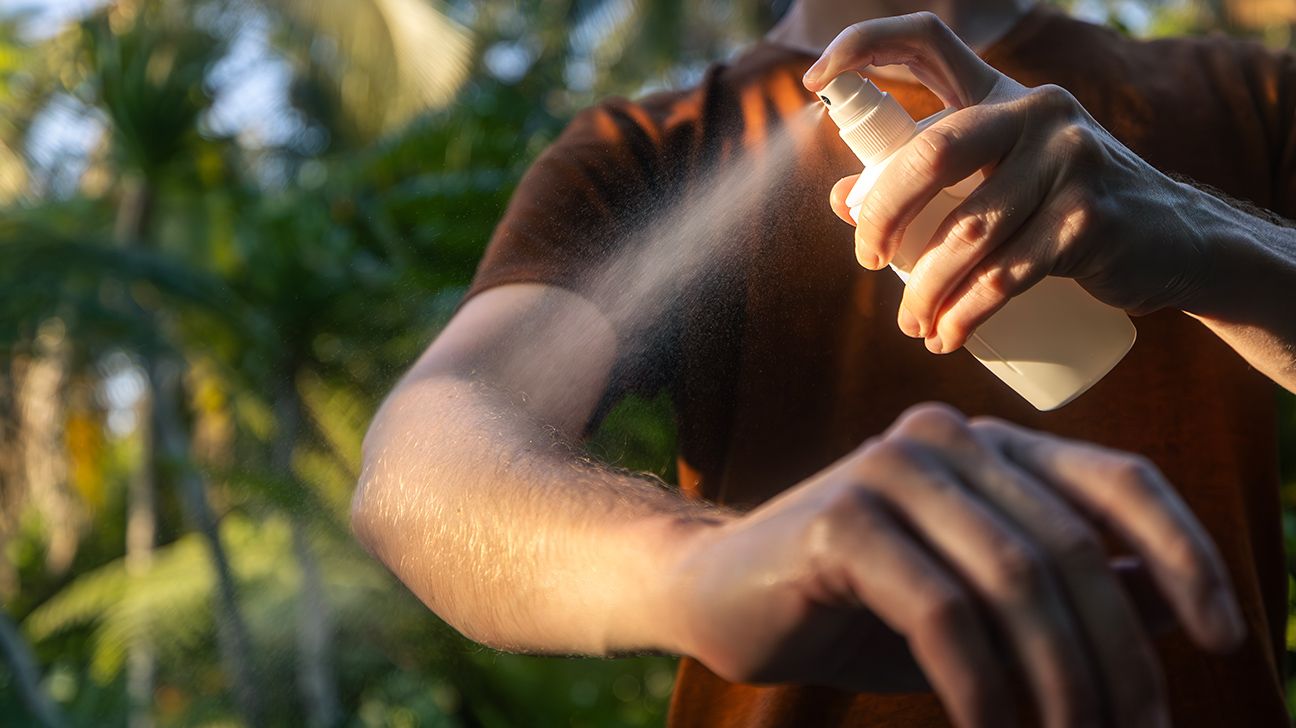
DEET, the active ingredient in most insect repellents, works effectively against mosquitoes. This compound masks your natural scent by creating a barrier that interferes with the mosquito's ability to detect you. The EPA recommends DEET concentrations of 20 to 30 percent for outdoor protection. Products with these concentrations can provide up to several hours of protection.
To reduce your mosquito bite risk, apply DEET-containing repellent before heading outdoors, especially during peak mosquito hours at dawn and dusk. If you plan to drink beer outside, reapply repellent more frequently since increased sweating reduces its effectiveness