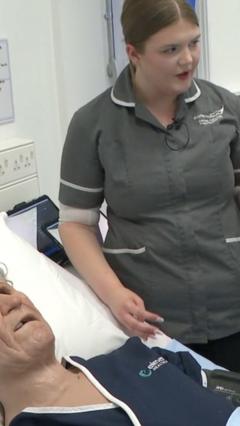
# College Opens Lifelike Hospital Training Ward for Clinical Students
A new training facility at a UK college replicates an actual hospital ward, allowing nursing and allied health students to practice clinical skills in an environment that mirrors real patient care conditions. The Hele Road ward features authentic medical equipment, realistic patient scenarios, and settings designed to prepare students before they work with actual patients in clinical placements.
The facility addresses a persistent gap in healthcare education. Students often transition directly from classroom instruction to hospital floors with limited hands-on practice in controlled environments. This new ward lets them develop competence with medical technology, communication skills, and clinical decision-making without patient risk.
The ward includes hospital beds, monitoring equipment, and simulation scenarios that reflect common clinical situations. Instructors can present students with realistic patient presentations and complications, allowing them to practice responding to emergencies, managing medications, and coordinating care. This experiential learning builds confidence and technical proficiency before students encounter actual patients.
Research on simulation-based medical education supports this approach. Studies show that students who train in lifelike clinical environments develop better procedural skills and demonstrate improved performance during real clinical placements compared to peers who learn solely through lectures and textbooks. The hands-on practice reduces errors and builds muscle memory for critical tasks.
The timing of this investment reflects growing recognition that healthcare education requires practical experience. Nursing shortages and high patient acuity in hospitals mean clinical placements increasingly pressure students to perform under stress. Pre-placement training in controlled settings allows students to make mistakes and receive feedback without jeopardizing patient safety.
The ward also benefits educators by providing a space where they can standardize instruction. All students practice with the same equipment and scenarios, ensuring consistent learning outcomes. Instructors can pause simulations to discuss clinical reasoning or repeat scenarios for struggling students.
This type of facility bridges the gap between theory and practice, helping produce healthcare professionals who enter the workforce