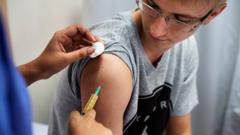
# Meningitis B Vaccine Programme Launches for Young People Following Kent Outbreak
Health authorities are rolling out a meningitis B vaccine programme targeting one million young people in response to an unprecedented outbreak in Kent this year. The decision follows a cluster of cases that prompted urgent action from public health officials.
Meningitis B, caused by the bacterium Neisseria meningitidis, kills or permanently disables one in ten infected people. The disease strikes rapidly, sometimes causing death within 24 hours of symptom onset. Young people aged 10 to 25 face particular vulnerability, making vaccination in this age group a public health priority.
The vaccine programme represents a one-off effort designed to protect those most at risk. Health officials identified the Kent outbreak as the catalyst for expanding vaccination access beyond current routine schedules. The cluster demonstrated how quickly meningitis B can spread and the importance of swift preventive measures.
Vaccination works by training the immune system to recognize and fight meningitis B bacteria before infection occurs. The vaccine contains proteins from the bacterial surface, triggering protective antibodies without causing disease. Research shows the meningitis B vaccine prevents approximately 90 percent of cases when given before exposure.
The timing of vaccination matters. Public health teams are coordinating delivery through existing healthcare channels to reach eligible young people efficiently. School-based vaccination programmes and community clinics will serve as primary distribution points.
Parents and young people should expect outreach from their healthcare providers about eligibility and scheduling. The vaccine involves a two-dose or three-dose series depending on age and individual circumstances. Common side effects include arm soreness, fever, and fatigue.
Health officials stress that this programme protects against one strain of meningitis. Other preventive measures remain important: recognizing early symptoms like fever, stiff neck, and rash; maintaining good hygiene; and avoiding sharing drinks or ut