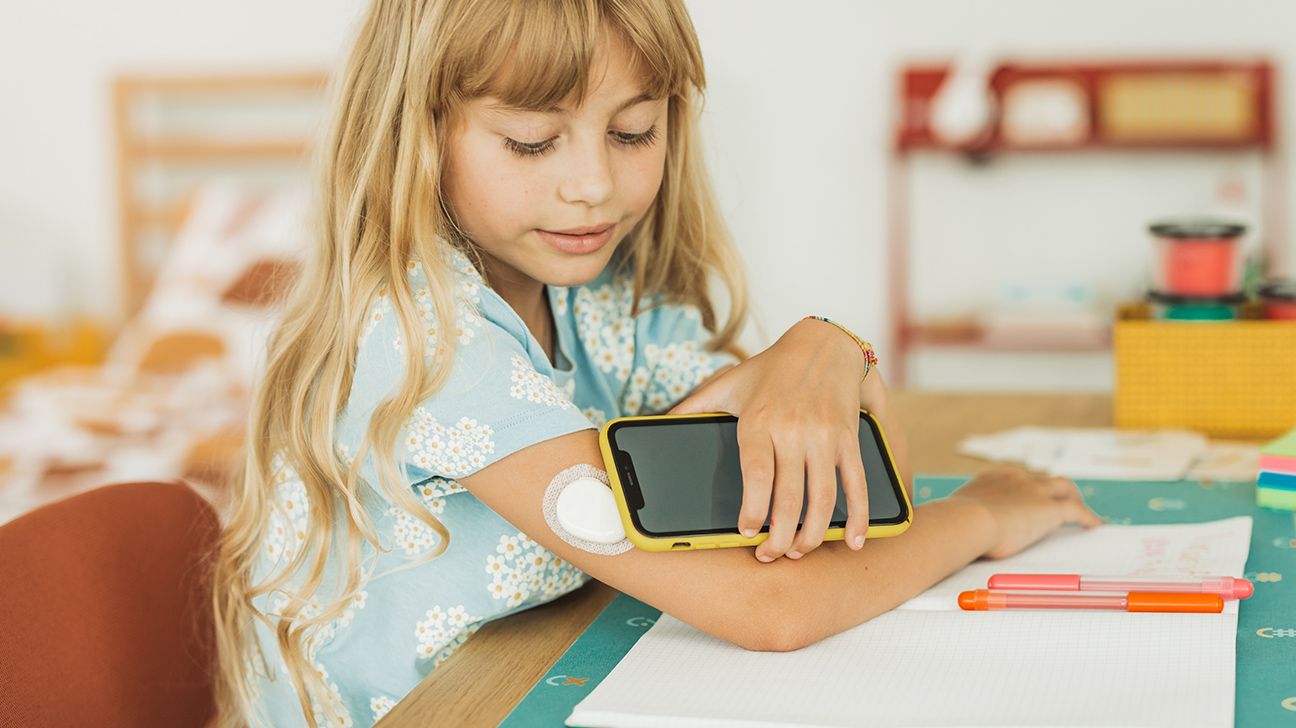
The Food and Drug Administration has cleared the first over-the-counter continuous glucose monitor designed specifically for children, expanding access to real-time blood sugar tracking without a prescription.
This approval marks a shift in diabetes management technology. Previously, continuous glucose monitors required a doctor's order. The new OTC device allows parents and caregivers to monitor glucose levels in children throughout the day and night, providing data that can inform dietary choices and activity levels.
Continuous glucose monitors work by measuring glucose levels in interstitial fluid, the fluid surrounding cells. A small sensor worn on the skin transmits readings to a receiver or smartphone app, typically every five minutes. This constant stream of data replaces the need for repeated finger-stick tests that many children with diabetes find uncomfortable.
The device's clearance rests on data showing accuracy comparable to prescription monitors. The FDA reviewed safety and performance metrics to ensure readings remain reliable across different ages and skin types in the pediatric population.
Experts note the practical benefits for families managing childhood diabetes. Dr. Jennifer Raymond, an endocrinologist at Seattle Children's Hospital, emphasizes that real-time glucose data helps parents catch dangerous drops or spikes before they become emergencies. Schools and caregivers can adjust meal timing or activity based on actual readings rather than assumptions.
Access remains a consideration. While OTC status eliminates the prescription requirement, cost and insurance coverage vary. Some families may find the device affordable for out-of-pocket purchase, while others will need to navigate insurance approval processes. The monitor's typical wear duration of 14 days means ongoing supply costs for continuous use.
The approval reflects broader recognition that earlier, more frequent glucose monitoring improves outcomes in children with type 1 diabetes and other conditions affecting blood sugar regulation. Parents interested in the device should discuss its use with their child's healthcare provider to ensure it fits their management plan and to learn proper application and data interpretation techniques.