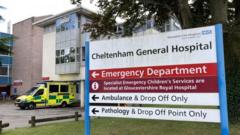
# A&E Services Shift to Emergency-Only Model During Staff Crisis
The UK's accident and emergency departments are implementing major operational changes as healthcare workers continue industrial action. Patients now face clear guidance to seek A&E care only when facing life-threatening or serious medical situations.
The shift reflects mounting pressure on emergency services already stretched thin by staffing shortages and increasing demand. Healthcare leaders acknowledge that A&E departments handle many cases that don't require emergency-level care, straining resources needed for genuinely critical patients.
The directive encourages people with non-urgent health concerns to explore alternatives. Urgent care centers, minor injuries units, and primary care services through general practitioners offer faster treatment for sprains, minor infections, and other common complaints that don't demand emergency intervention.
This restructuring wasn't initiated by choice but by necessity. Industrial action by junior doctors, paramedics, and other NHS staff has reduced available personnel in emergency departments. Rather than operate at dangerously reduced capacity across all services, hospitals are concentrating resources on cases where delays genuinely endanger lives.
The messaging aims to protect emergency care quality for those experiencing chest pain, severe injuries, allergic reactions, or other time-critical conditions. When A&E receives patients with minor ailments during staff shortages, waiting times extend for everyone. Patients with serious conditions face longer waits that can worsen outcomes.
Healthcare officials urge the public to use NHS 111, a free telephone service staffed by trained advisors who direct patients to appropriate care levels. NHS 111 can recommend urgent care appointments, same-day GP slots, or emergency attendance based on symptoms described.
For patients unsure whether their condition warrants A&E, the principle remains straightforward. Life-threatening situations demand immediate emergency care. Everything else benefits from assessment through less congested pathways.
These changes represent a pragmatic response to current constraints rather than permanent