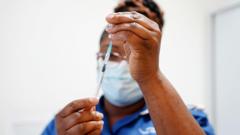
A major inquiry into Britain's COVID-19 vaccine rollout concludes the program delivered one of medicine's greatest achievements while also identifying gaps in how rare adverse reactions were handled.
The report credits the vaccine campaign with saving hundreds of thousands of lives across the UK. The rapid development and deployment of multiple vaccines represented an extraordinary logistical and scientific accomplishment, officials say. Millions of people received protection against severe illness and death during the initial pandemic waves.
However, the inquiry found that some people who experienced vaccine side effects did not receive adequate support or recognition. A small minority suffered adverse reactions serious enough to impact their daily lives. These individuals reported difficulty accessing specialized medical care, inconsistent diagnosis procedures, and insufficient compensation pathways.
The report recommends strengthening support systems for people with vaccine-related injuries. Specific improvements include establishing clearer diagnostic criteria, training more healthcare providers to recognize and treat adverse reactions, and improving access to specialist clinics. Officials also suggest enhancing the compensation scheme to ensure affected individuals receive appropriate financial support.
The inquiry acknowledges the tension between celebrating a successful public health intervention and recognizing genuine harms in a small subset of recipients. Both realities coexist. The vaccines prevented far more serious illness than they caused, yet those who did experience complications deserve better care pathways.
Public health leaders stress the importance of maintaining vaccine confidence while simultaneously improving how healthcare systems support the injured. Transparency about both benefits and harms strengthens public trust over time. The inquiry's findings suggest that robust vaccine programs and comprehensive support for rare adverse effects are not contradictory goals.
The report represents a turning point in how Britain addresses vaccine safety conversations. Rather than dismissing concerns or overstating risks, health officials now commit to acknowledging both the extraordinary protection vaccines provided and the legitimate needs of those who experienced complications.