# LED Face Masks Show Promise for Skin Health, Though Evidence Remains Mixed
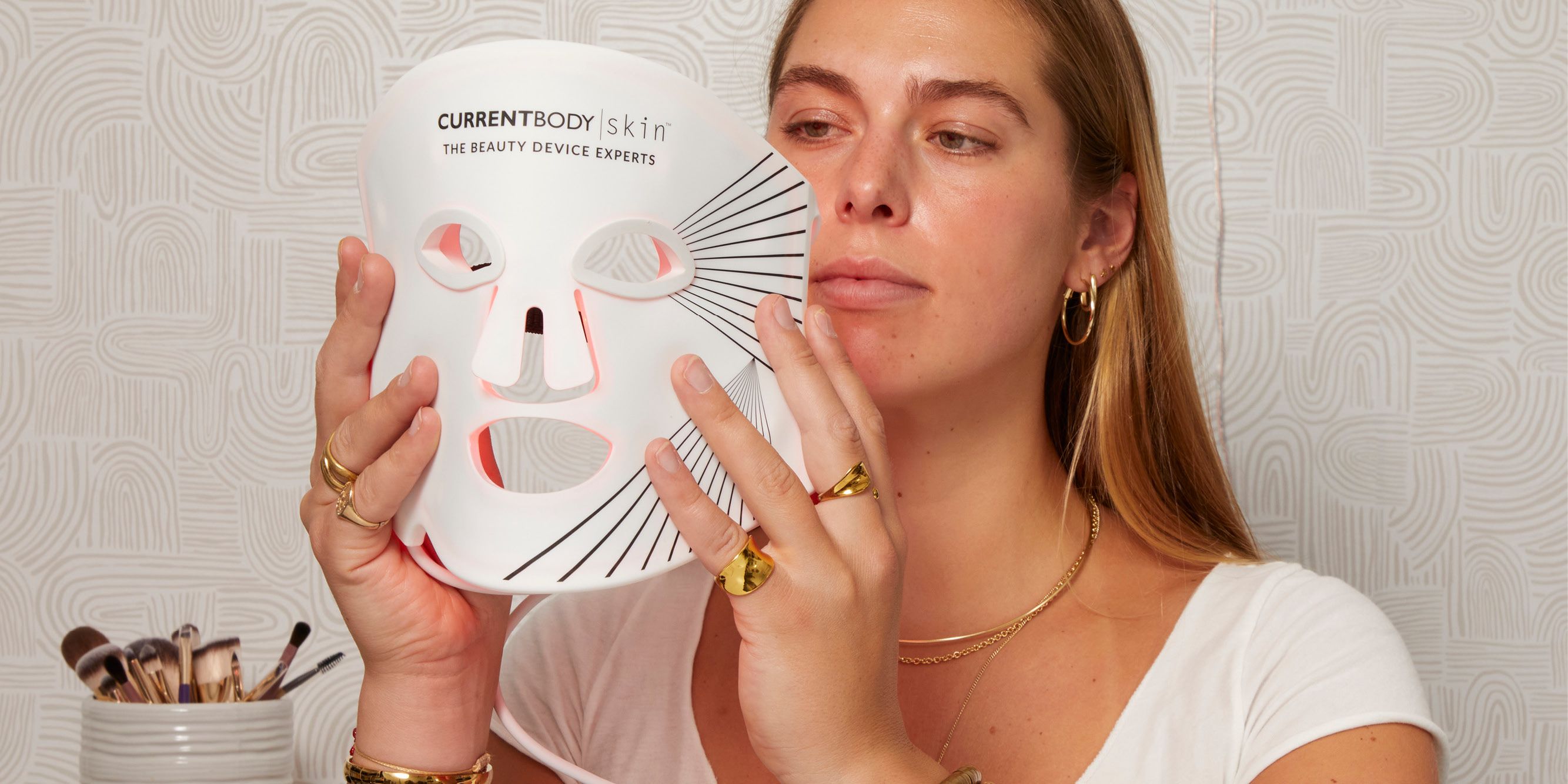
LED light therapy masks have become a fixture in home skincare routines, with dermatologists and beauty editors now testing leading devices from brands like Therabody, Omnilux, and CurrentBody. These masks emit specific wavelengths of light designed to address common skin concerns from acne to aging.
Red light, typically between 600 and 700 nanometers, targets inflammation and may stimulate collagen production. Blue light, around 400 to 500 nanometers, focuses on acne-causing bacteria. Some devices combine these wavelengths with infrared technology to penetrate deeper skin layers.
The research supporting LED masks shows mixed but encouraging results. Studies demonstrate that red light therapy can increase collagen synthesis and improve skin texture over consistent use. Research published in dermatology journals indicates blue light effectively reduces acne-causing bacteria without the side effects of traditional antibiotics. However, most studies test professional-grade devices in clinical settings, not consumer masks used at home.
Dermatologists note that device quality matters considerably. Clinical-grade masks deliver higher irradiance levels, meaning stronger light intensity, than many consumer versions. This gap between professional equipment and at-home devices means results vary. Users applying LED masks inconsistently often see minimal changes.
The devices tested by dermatologists and editors typically recommend 10 to 20 minute sessions several times weekly. Therabody's mask combines red and infrared wavelengths. Omnilux focuses on clinical-strength red light. CurrentBody offers both red and blue light options targeting different concerns.
Dermatologists caution that LED masks work best as part of a complete skincare routine, not replacements for sunscreen, retinoids, or professional treatments. Individual results depend on skin type, existing conditions, and consistent use