# Just 2 Hours of Strength Training a Week May Help You Live Longer
New research shows that modest amounts of strength training correlate with lower mortality rates across multiple age groups and fitness levels. Adults who performed resistance exercises for approximately two hours per week showed reduced risks of dying from any cause compared to those who did no strength training.
The study analyzed data from thousands of participants tracked over many years, examining the relationship between muscle-building activities and long-term health outcomes. Researchers found that the benefits applied regardless of whether people also did aerobic exercise, though combining both types of activity provided the strongest protective effects.
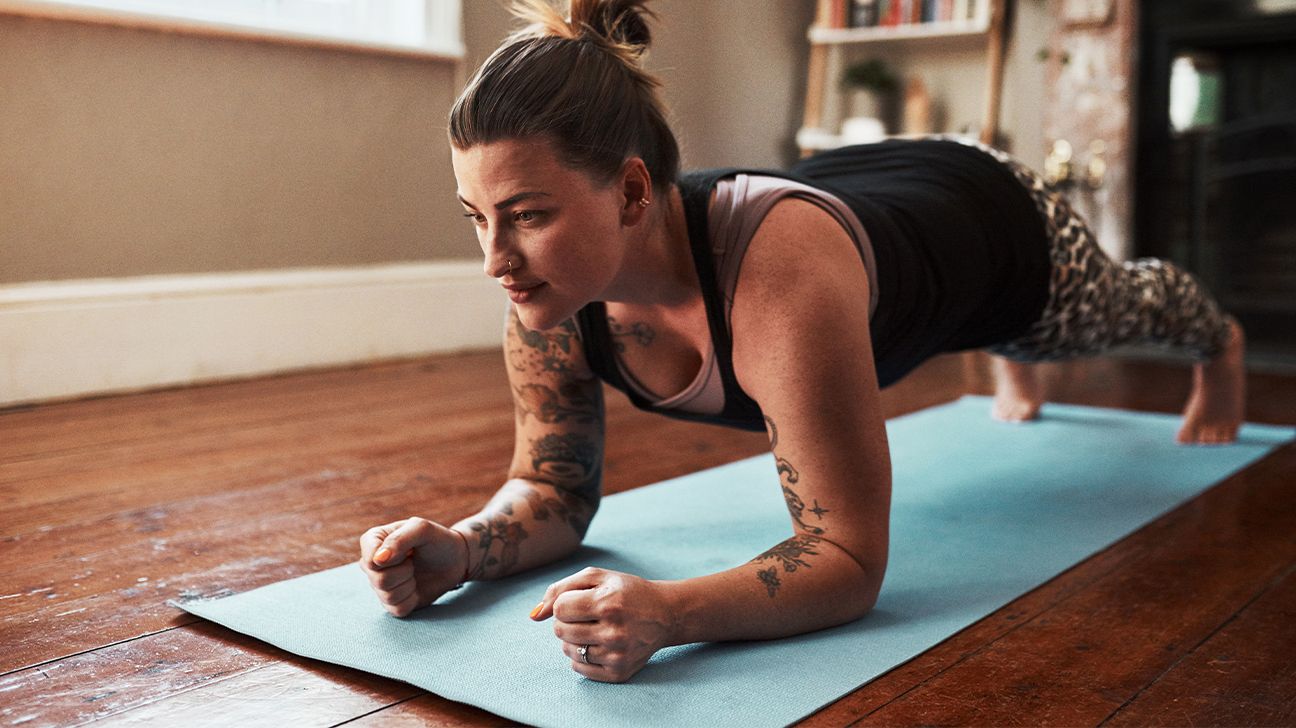
What counts as strength training? The research included traditional weightlifting, bodyweight exercises like push-ups and planks, resistance bands, and even yoga. The key factor was performing activities that challenged muscles against resistance at least once or twice weekly.
The protection wasn't limited to the young or already-fit. Older adults and those with existing health conditions still experienced mortality reductions when they incorporated strength work into their routines. Even relatively small amounts of muscle-building activity showed benefits, suggesting that people don't need to become gym enthusiasts to see results.
Strength training works partly by preserving muscle mass and bone density, which naturally decline with age. Muscle tissue also influences metabolic health, blood sugar regulation, and cardiovascular function. These changes translate into real health advantages over time.
The findings matter because many health guidelines historically emphasized aerobic exercise like walking or running. While cardio remains important, this research underscores that resistance work shouldn't be overlooked. Two hours weekly amounts to less than twenty minutes daily.
Starting a strength routine doesn't require expensive equipment or gym memberships. Resistance bands, bodyweight exercises, or household items can work effectively. The consistency matters more than intensity at the start.
Experts recommend consulting a doctor before beginning any new exercise program, particularly for older adults