# New Drug Targets Muscle Loss from Weight Loss Injections
Obesity medications like semaglutide and tirzepatide cause significant unintended muscle loss alongside fat reduction. About one-third of the total weight loss comes from muscle rather than fat, according to researchers studying these widely prescribed drugs.
This muscle wasting, colloquially called "Ozempic butt," occurs because these GLP-1 receptor agonists suppress appetite so effectively that patients consume fewer calories overall. Their bodies then break down muscle tissue for energy alongside fat stores. The result leaves people looking deflated and losing strength even as the scale drops.
Scientists are now developing pharmaceutical interventions to prevent this muscle catabolism. Researchers are exploring compounds that could preserve lean mass while these obesity medications do their work on fat stores. The goal involves blocking the muscle-wasting signals triggered by caloric restriction while maintaining the weight loss benefits patients seek.
This development addresses a real clinical problem. Muscle loss during weight loss is particularly concerning for older adults, who face increased risks of falls and functional decline when lean mass decreases. Younger patients also report dissatisfaction with the aesthetic appearance of rapid muscle loss, especially in areas like the buttocks and face.
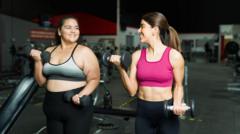
Exercise remains the primary strategy for protecting muscle during weight loss medication use. Resistance training and adequate protein intake help offset some muscle breakdown. However, many patients struggle with motivation to exercise intensely while managing reduced appetite and energy from these medications.
The emerging drug approaches would complement rather than replace these behavioral strategies. By targeting the biological pathways responsible for muscle loss specifically, researchers aim to give patients the metabolic benefits of obesity drugs without the cosmetic and functional downsides of significant muscle wasting.
This research reflects growing recognition that weight loss alone does not equal healthy loss. Body composition matters. Future obesity treatment will likely involve combination approaches that simultaneously reduce fat while preserving or building muscle