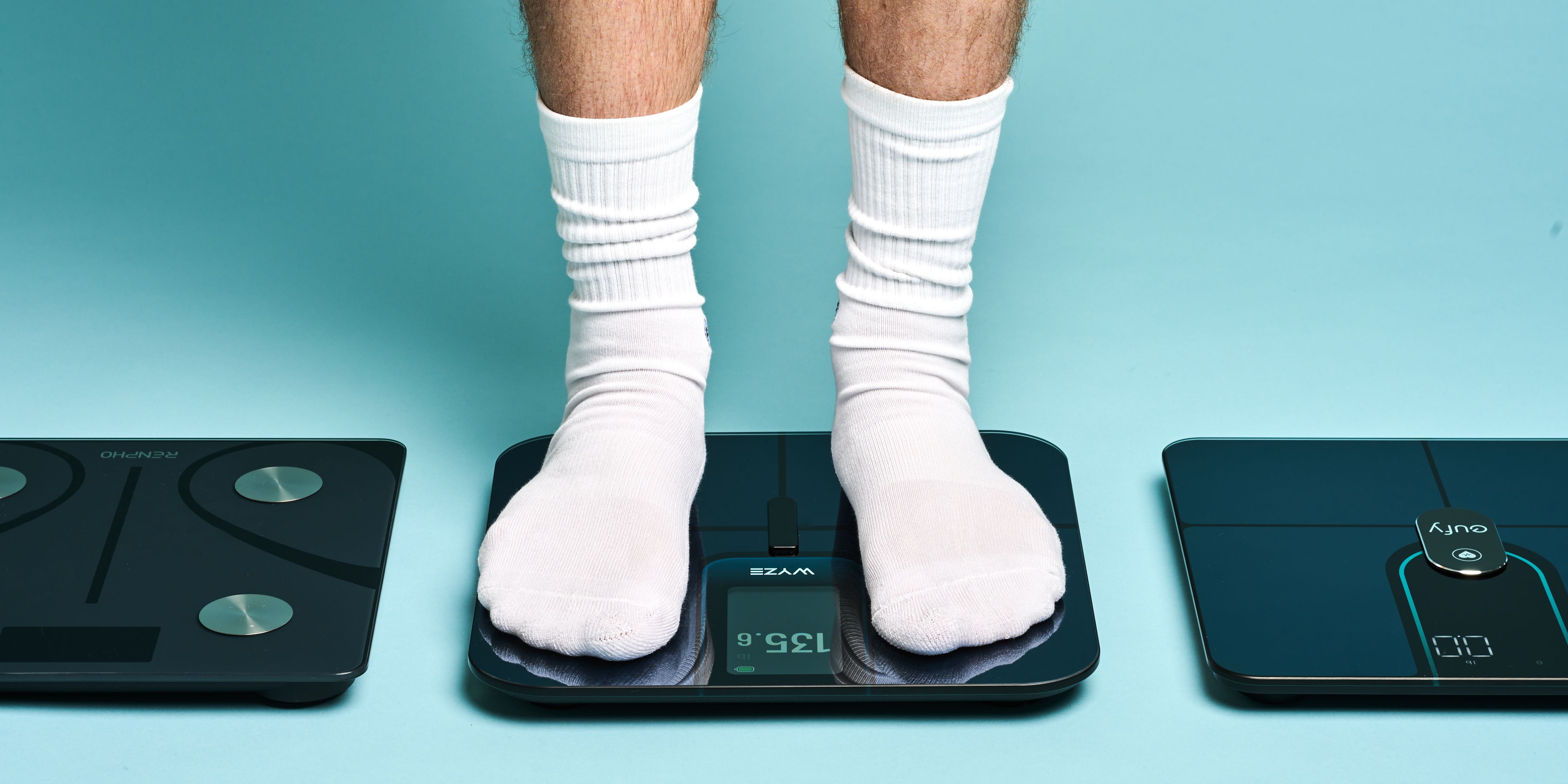
# The 6 Best Smart Scales for Your Home
Smart scales have transformed how people track body composition and fitness progress. These devices go beyond traditional weight measurement, offering data on muscle mass, body fat percentage, water retention, and bone density through bioelectrical impedance analysis (BIA) technology.
The technology works by sending a small electrical current through your body to estimate composition. While not as precise as medical-grade DEXA scans, smart scales provide consistent tracking over time. This consistency matters more than absolute accuracy for most home users monitoring fitness goals.
Modern smart scales connect to smartphone apps and fitness platforms like Apple Health, Google Fit, and MyFitnessPal. This integration lets you see trends across weeks and months rather than obsessing over daily fluctuations. Stability in your readings typically improves after the first few weeks of use as the device learns your patterns.
Key features to consider include connectivity options (WiFi versus Bluetooth), companion app functionality, syncing capabilities with existing fitness apps, display quality, and weight capacity. Some scales offer advanced metrics like visceral fat and metabolic age estimates. Others focus on simplicity with just weight and body fat percentage.
For consistent results, weigh yourself at the same time each day, preferably in the morning before eating or drinking. Hydration status affects BIA readings significantly. Even small variations in fluid intake can shift body fat estimates by 1-2 percentage points.
Smart scales work best as one tool among many for fitness tracking. Pair scale data with progress photos, how clothes fit, strength gains, and how you feel. The number on the screen tells only part of your health story. Regular users report that visible trends in the app data motivate continued effort toward fitness goals, even when individual daily measurements fluctuate.