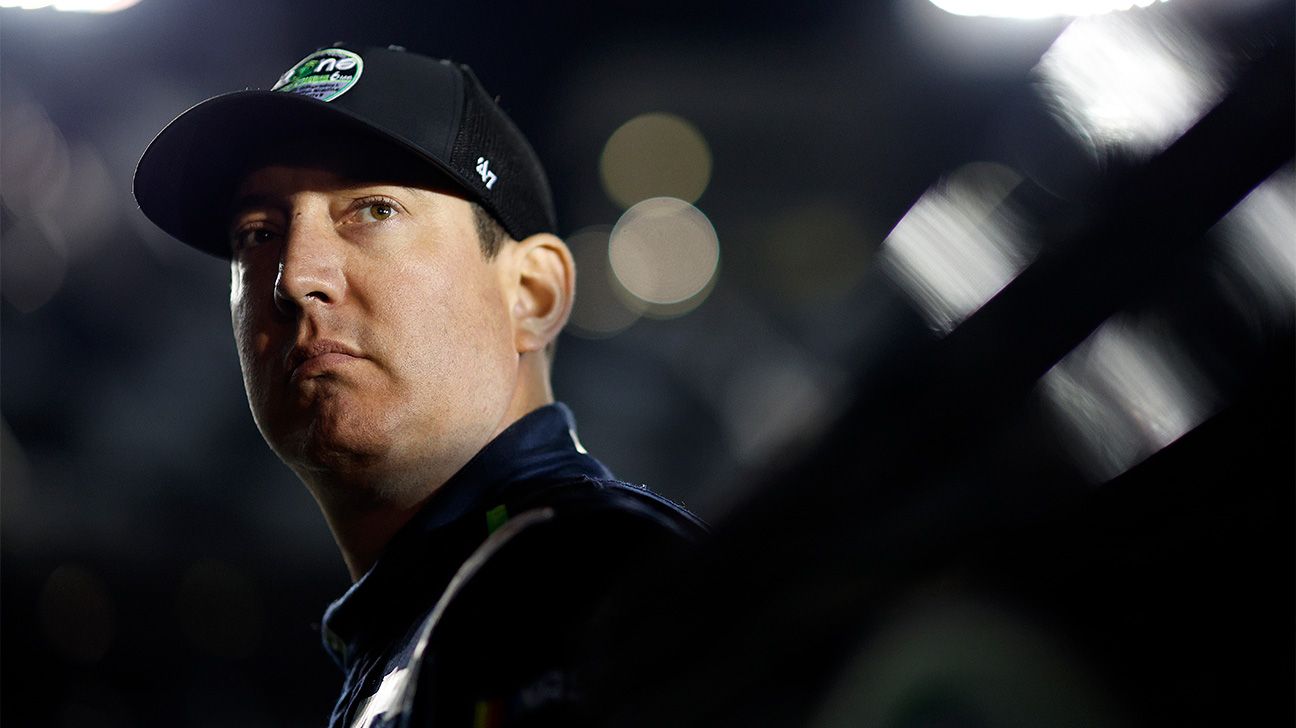
# NASCAR Driver Kyle Busch Dies of Sepsis; Here's What You Need to Know About Early Warning Signs
Kyle Busch, the veteran NASCAR driver, died from sepsis, a life-threatening condition that develops when the body's response to infection spirals out of control. Sepsis kills roughly one in five people who develop it, according to the Centers for Disease Control and Prevention.
The condition starts when bacteria, viruses, or fungi enter the bloodstream, usually through an infection like pneumonia, urinary tract infections, or skin wounds. The immune system launches an inflammatory response meant to fight the invader, but this response can damage the body's own tissues and organs instead. Blood pressure drops, organ function deteriorates, and without rapid treatment, sepsis becomes fatal.
What makes sepsis dangerous is that early symptoms often seem mild or nonspecific. People may experience fever, chills, rapid heartbeat, or difficulty breathing. Some feel confused or disoriented. Others report muscle or joint pain. These warning signs can resemble the flu, which leads many people to delay seeking medical care.
The CDC identifies sepsis as a medical emergency that requires immediate hospitalization and antibiotics. Every hour matters. Doctors use a rapid screening tool called qSOFA (quick Sequential Organ Failure Assessment) to identify at-risk patients based on altered mental status, high respiratory rate, or low blood pressure.
Certain populations face higher sepsis risk: older adults, people with weakened immune systems, those with chronic conditions like diabetes, and anyone with recent surgery or invasive medical procedures.
Recognizing sepsis early saves lives. The Sepsis Alliance emphasizes watching for any combination of fever, confusion, extreme pain, difficulty breathing, or clammy skin. If you suspect sepsis in yourself or someone else, call emergency services immediately rather than waiting to see if symptoms improve. Early medical intervention,