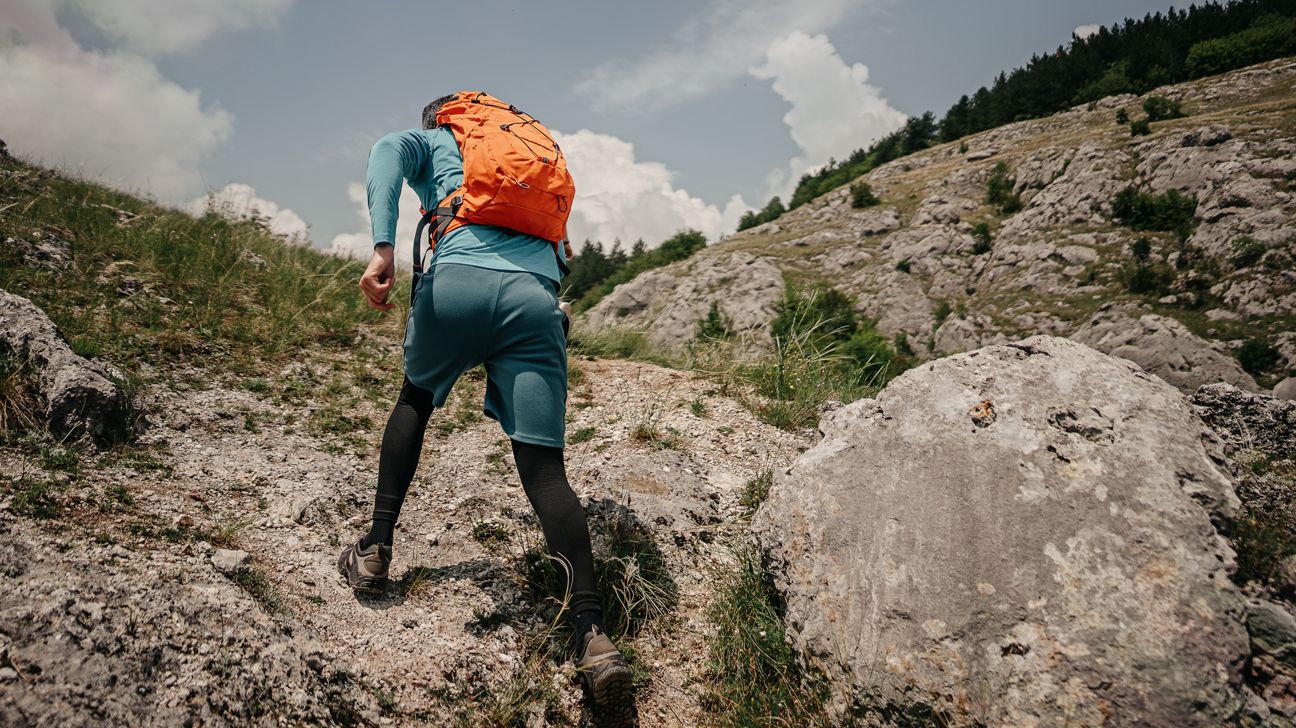
Rucking—walking while carrying a weighted backpack—delivers strength gains and cardiovascular benefits without requiring a gym membership or specialized equipment. The practice combines resistance training with aerobic exercise in a single, accessible activity.
The mechanics are straightforward. Carrying additional weight forces your muscles to work harder during each step. Your legs, core, and upper back engage to stabilize the load and maintain posture. Your heart rate climbs because your cardiovascular system works to fuel the effort. The result is a full-body workout that builds both muscular strength and aerobic endurance while burning calories.
For beginners, fitness experts recommend starting with a backpack weighing 10 to 15 percent of your body weight. A 150-pound person would begin with 15 to 22.5 pounds. This starting range allows your body to adapt without overwhelming your joints and connective tissues. Proper form matters. Keep your shoulders back, engage your core, and maintain an upright posture throughout. These adjustments protect your spine and maximize muscle activation.
Progress gradually. As your body adapts over weeks and months, increase the weight in your backpack or extend your walking distance. This progressive overload principle applies to rucking just as it does to traditional strength training.
The practicality of rucking appeals to busy people. You don't need to carve out dedicated gym time or purchase expensive equipment. You can ruck while accomplishing other tasks. Walk the dog with a weighted backpack. Push a stroller while rucking. Run errands on foot with added resistance. This multitasking element removes common barriers to exercise.
Rucking works for various fitness levels and ages. Older adults benefit from improved leg strength and balance. Younger people can build lean muscle and cardiovascular capacity. Military personnel have used rucking for decades as part of functional fitness training.