# Sunscreen Advice on Social Media Requires Critical Evaluation
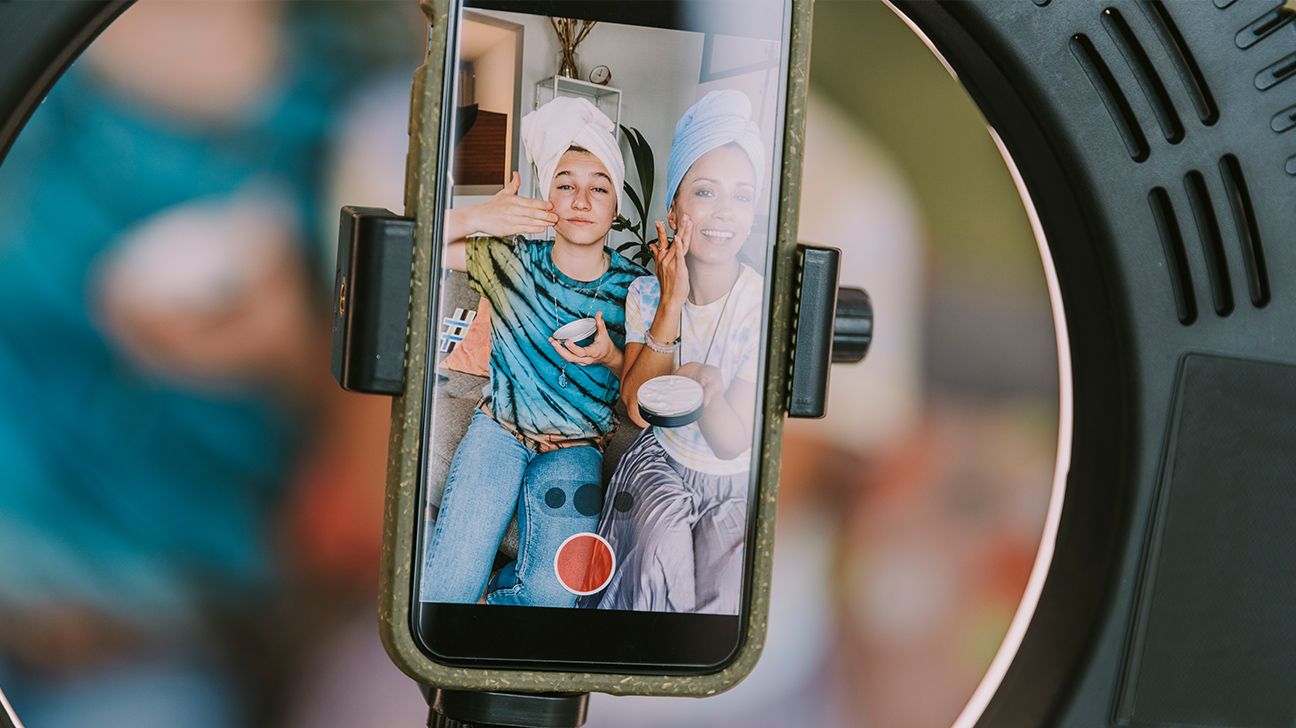
Social media platforms like TikTok and Instagram overflow with sunscreen recommendations, but not all of this advice comes from credible sources. Dermatologists and skin cancer prevention experts warn that viral sunscreen tips often lack scientific backing and can mislead people about skin protection.
The problem centers on several issues. Content creators frequently promote products based on personal preference rather than dermatological research. Claims about "mineral sunscreen superiority" or "chemical sunscreen danger" circulate widely despite mixed scientific evidence. Influencers may lack training in skin science yet command massive audiences hungry for skincare guidance.
Dr. Henry W. Lim, chair of dermatology at Henry Ford Health, emphasizes that sunscreen selection depends on individual skin type, sensitivity, and lifestyle. A one-size-fits-all recommendation ignores this reality. Social media content often oversimplifies complex dermatology into digestible but inaccurate soundbites.
The American Academy of Dermatology recommends evaluating sunscreen advice through specific criteria. Check whether the creator has dermatological credentials. Look for recommendations backed by FDA approval and peer-reviewed research rather than anecdotal evidence. Be skeptical of extreme claims or products marketed as solutions for everyone.
Broad-spectrum protection with SPF 30 or higher remains the evidence-based standard, applied generously and reapplied every two hours. This guidance comes from organizations like the Skin Cancer Foundation, not TikTok trends.
Consumers benefit from consulting board-certified dermatologists about personal sunscreen needs rather than relying solely on viral content. Your skin type, medical history, and sun exposure patterns matter. A dermatologist can recommend products suited to your specific circumstances, something a social media video cannot do.
Social media serves entertainment purposes well. For medical guidance