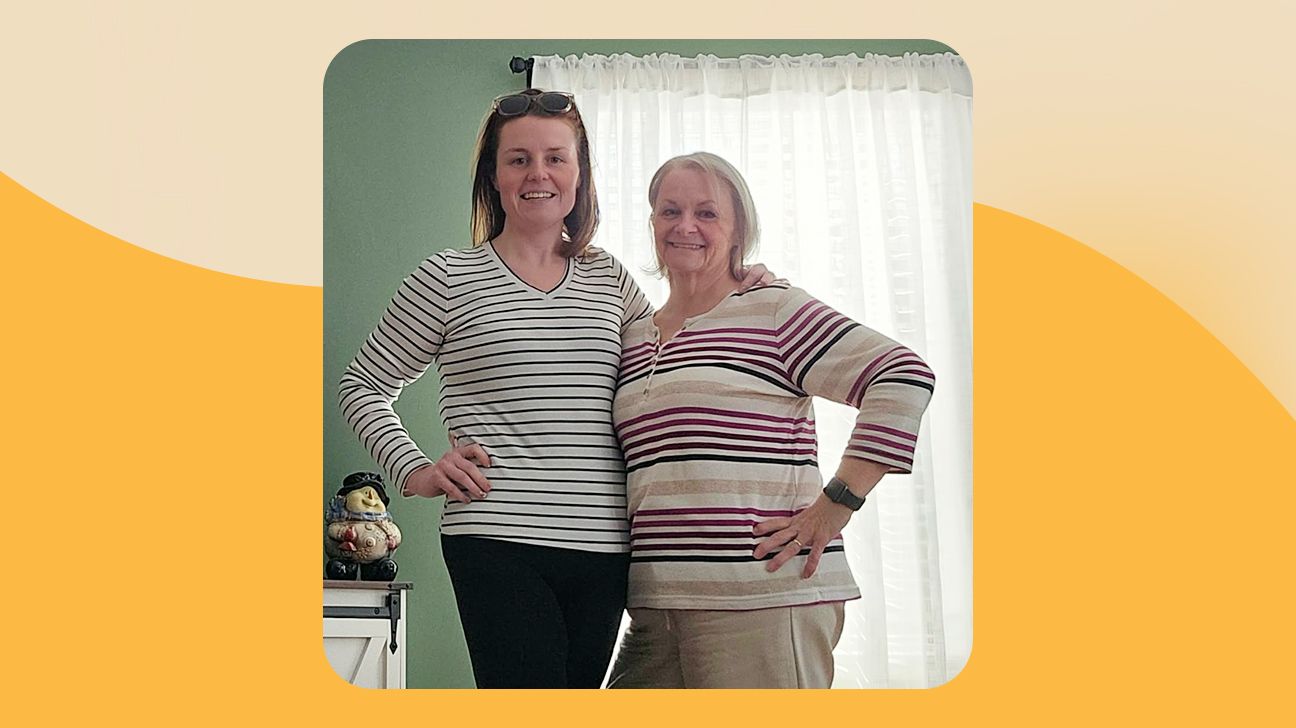
Diane and Molly Madore lost a combined 163 pounds using a noninvasive weight management procedure, demonstrating how newer alternatives to surgery are reshaping weight loss treatment options.
The mother-daughter pair used aspiration therapy, a procedure that removes roughly 30 percent of food from the stomach after eating. Unlike gastric bypass surgery, aspiration therapy involves no cutting or permanent changes to the digestive system. Instead, doctors insert a small tube through the skin during a quick outpatient procedure. After meals, patients use the tube to empty some stomach contents before the body absorbs calories.
Diane Madore struggled with her weight for decades. She tried countless diets and exercise programs without sustained success. Her daughter Molly faced similar challenges. Both women reached a breaking point where traditional weight loss approaches failed them repeatedly.
When Diane learned about aspiration therapy, she decided to try it. The procedure took less than an hour, and she experienced minimal downtime. Within months, she lost significant weight. Encouraged by her mother's results, Molly underwent the same procedure and achieved comparable success.
The appeal of aspiration therapy lies in its reversibility and safety profile. Unlike bariatric surgery, patients can stop treatment anytime without permanent consequences. The procedure carries lower infection risk than surgical alternatives and requires no general anesthesia.
However, success depends heavily on behavioral changes. Patients must eat smaller meals, chew thoroughly, and avoid high-calorie foods. The procedure works as a tool, not a cure. Without diet modifications and lifestyle adjustments, results stall.
Aspiration therapy costs less than gastric bypass and typically qualifies for insurance coverage when patients meet certain medical criteria. Recovery takes days rather than weeks, allowing people to return to normal activities quickly.
The Madores' experience highlights how newer, less invasive procedures offer realistic alternatives for people who struggle with