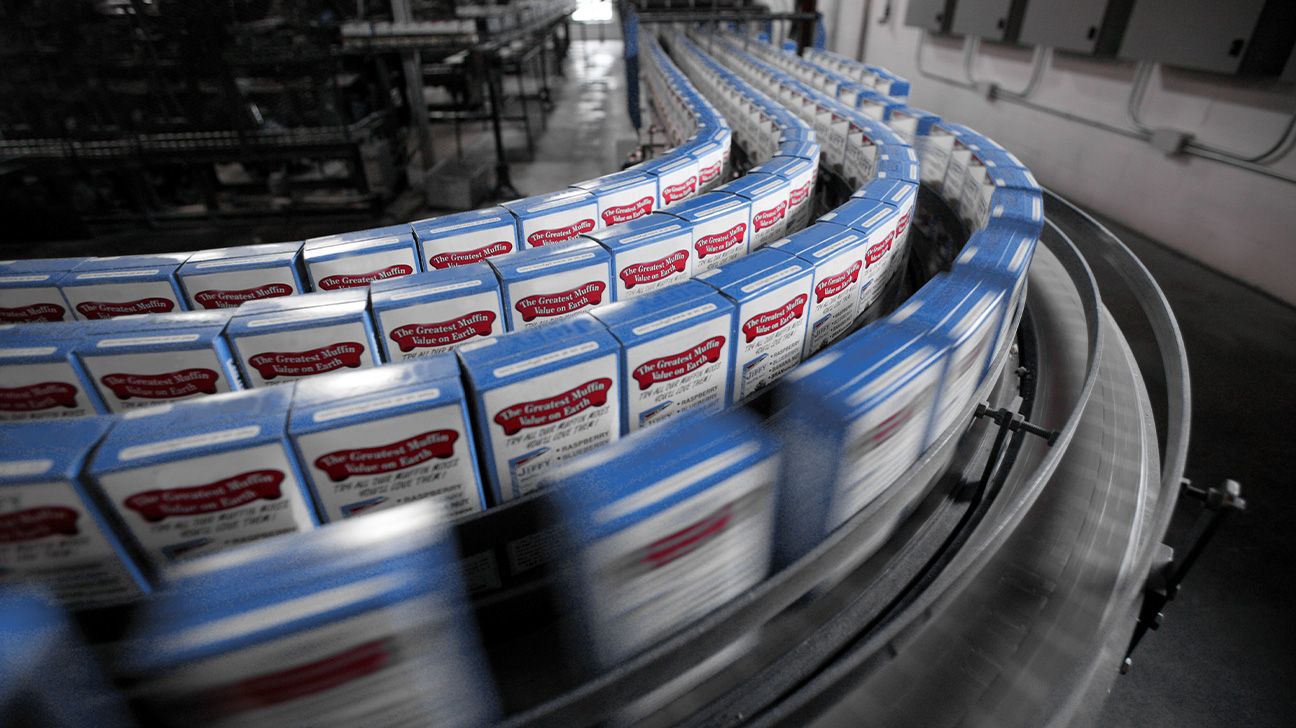
# How Ultra-Processed Foods Are Made Matters as Much as What's in Them
The manufacturing process behind ultra-processed foods affects health outcomes just as much as the ingredients list. Researchers now recognize that how food companies transform raw materials matters alongside what they put into products.
Food processing itself changes the physical and chemical structure of ingredients. High-heat treatment, mechanical breakdown, and chemical additives alter how our bodies digest and absorb nutrients. When manufacturers pulverize grains into fine powders or expose foods to extreme temperatures, they create different metabolic responses than whole foods undergo.
The way processing breaks down fiber, proteins, and fats changes how quickly our bodies absorb them. A whole grain and grain flour contain identical nutrients, but processing speeds digestion in ways that spike blood sugar differently. Our gut bacteria respond differently to processed versus whole foods too. The microbiome recognizes structural integrity that processing destroys.
Industrial techniques also introduce compounds that don't appear on ingredient labels. Heat treatment creates new chemical byproducts. Mechanical processing generates compounds from friction and oxidation. Emulsifiers and stabilizers interact with digestive enzymes in ways scientists are still mapping.
Beyond chemistry, ultra-processing removes or separates natural components. Removing bran and germ from wheat eliminates fiber that slows digestion. Separating oil from seeds changes how fat gets absorbed. These structural changes reshape how food moves through the digestive system.
The distinction matters for public health messaging. Two products with identical nutrient profiles might have opposite health effects depending on processing methods. Whole grain bread and white bread both contain carbohydrates, but their processing histories determine metabolic impact.
This research redirects focus from calorie counting to manufacturing scrutiny. Consumers benefit from understanding that "all ingredients" tells only part of the story. The journey those ingredients take through a factory shapes what happens when they enter your