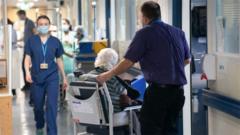
England's National Health Service treats nearly 3,000 patients daily in hospital corridors and temporary spaces, according to new data obtained by the BBC. These patients receive care in unsafe, undignified conditions that fall far short of clinical standards.
The figures reveal the breadth of a crisis affecting emergency departments and acute care wards across the country. Patients occupy hallways, storage areas, and other makeshift locations because hospitals lack adequate bed capacity. This practice, sometimes called "corridor care," forces clinicians to deliver treatment in environments never designed for patient safety or privacy.
Healthcare workers face impossible conditions. Monitoring equipment becomes difficult to position properly. Private conversations between patients and doctors become nearly impossible. Infection control protocols become harder to maintain. Emergency response times suffer when patients occupy spaces far from proper equipment and staff stations.
The data underscores the systemic pressures facing the NHS. Hospital bed shortages stem from multiple factors: an aging population requiring longer stays, delayed discharge due to inadequate social care, and staffing shortages that prevent wards from opening. Winter months intensify the crisis, but the BBC's findings show corridor care now occurs year-round at significant scale.
Patients in corridor care report heightened anxiety and delayed diagnosis. The undignified conditions violate principles of patient dignity embedded in NHS founding values. Healthcare workers report moral injury from providing substandard care in these circumstances.
NHS leaders acknowledge the problem but argue inadequate funding and decades of underinvestment created this reality. Solving corridor care requires addressing bed capacity, social care gaps, and staffing levels simultaneously. Short-term fixes mask deeper structural failures.
The 3,000-patient daily figure represents real people receiving critical treatment in conditions that compromise their safety and wellbeing. Each case reflects system-wide failures requiring urgent, sustained action beyond emergency measures.