# Want to Slow Your Aging? Multivitamins, Diet, and Fitness May Help
Research suggests that a combination of nutritional support, dietary choices, and regular exercise offers the most effective approach to slowing biological aging. Three interconnected strategies stand out as particularly evidence-based.
Multivitamins address nutritional gaps that accumulate with age. Deficiencies in B vitamins, vitamin D, and minerals like magnesium and zinc accelerate cellular aging. While whole foods remain the gold standard, supplementation fills gaps when diet alone falls short. Studies show that people who maintain adequate micronutrient levels demonstrate slower telomere shortening, a marker of cellular aging.
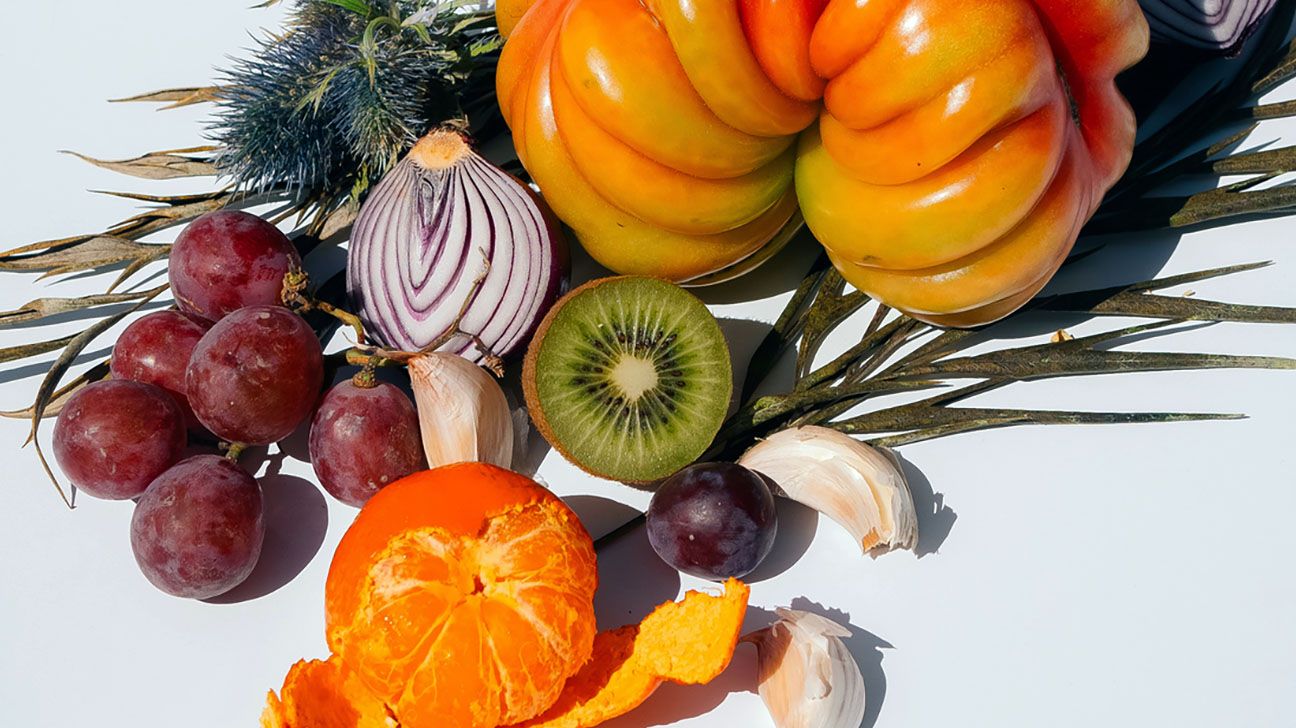
Diet quality directly influences aging speed. Mediterranean-style eating patterns rich in antioxidants, omega-3 fatty acids, and polyphenols consistently show protective effects against age-related decline. Foods like berries, leafy greens, olive oil, and fatty fish reduce inflammation and oxidative stress, two primary drivers of aging. Processed foods and excess sugar accelerate both processes.
Exercise delivers perhaps the most transformative benefits. Regular physical activity, especially resistance training combined with cardiovascular work, slows muscle loss, strengthens bones, and preserves cognitive function. Even moderate activity like brisk walking demonstrates measurable effects on biological age markers within weeks.
The synergy matters most. When someone combines all three approaches, the benefits compound. A person taking a quality multivitamin, eating nutrient-dense whole foods, and exercising regularly experiences significantly slower aging than someone relying on any single strategy. This integrated approach works because it addresses the root causes: nutrient deficiency, inflammation, and cellular degeneration.
Age is just a number measured in years. Biological age, measured through markers like telomere length and epigenetic clocks, can move backward or forward based on