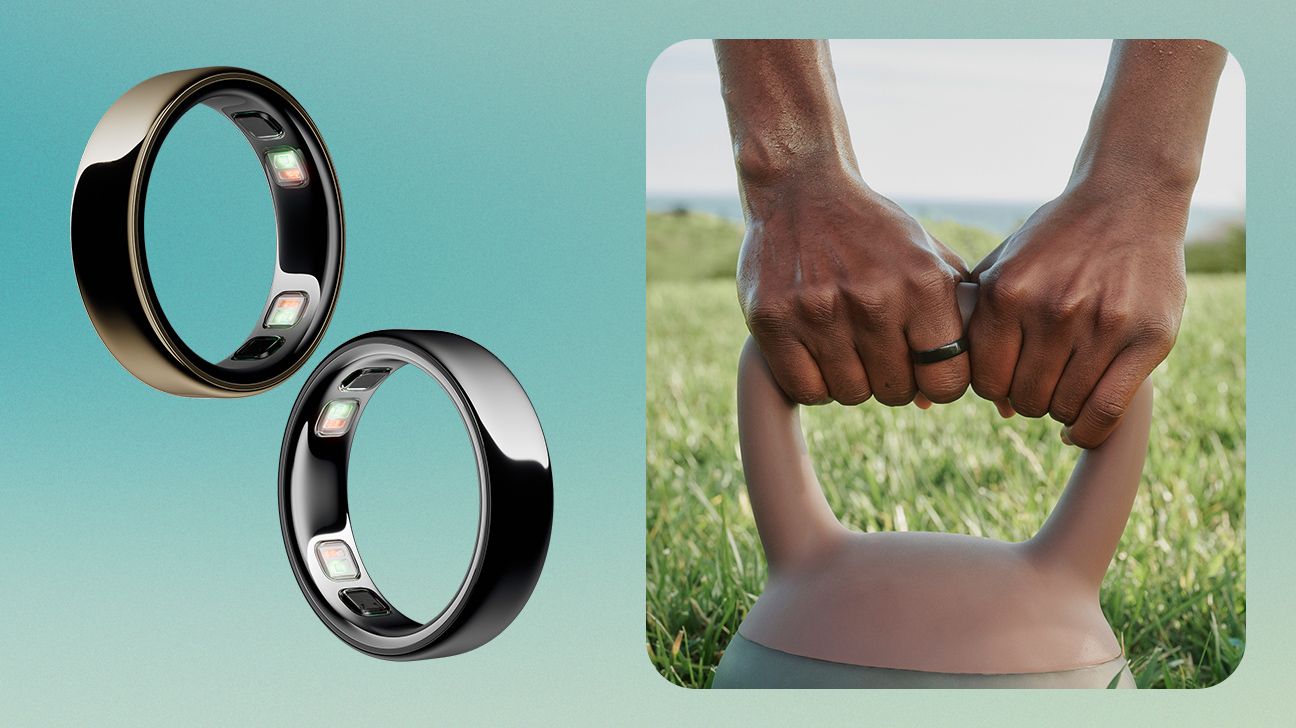
# Oura Ring 5 Launches With Enhanced Health Tracking Capabilities
Oura has released its fifth-generation smart ring with design improvements and expanded health monitoring features. The new device represents an incremental update to the wearable technology that tracks sleep, heart rate, activity, and recovery metrics.
The Oura Ring 5 appears smaller than its predecessor, addressing a common complaint from users about the ring's bulk. The company has refined the sensor technology to improve accuracy while maintaining the device's core function: collecting biometric data throughout the day and night.
Smart rings like Oura's track continuous metrics that traditional fitness trackers and smartwatches cannot easily measure. Because they sit on your finger, these devices capture heart rate variability, skin temperature, and movement patterns with minimal user intervention. Users simply wear the ring and receive daily wellness scores based on sleep quality, activity levels, and recovery status.
The ring's appeal rests on passive monitoring. Unlike smartwatches that require charging every few days, the Oura Ring 5 needs charging only once weekly. This extended battery life removes a barrier to consistent wear and data collection, both essential for meaningful health insights.
The device integrates with popular health apps and provides personalized recommendations based on your accumulated data. If your recovery score drops, the app might suggest rest days. If your sleep patterns show disruption, it alerts you to potential lifestyle factors affecting rest.
Health professionals increasingly recognize wearable data's value for identifying trends and patterns that standard clinical visits miss. Continuous monitoring helps detect early signs of illness, overtraining in athletes, or stress accumulation before symptoms become severe.
The Oura Ring 5's refined form factor addresses practical concerns around comfort and daily usability. A smaller, less obtrusive device encourages consistent wear, which directly impacts data quality and the reliability of health insights the ring generates.