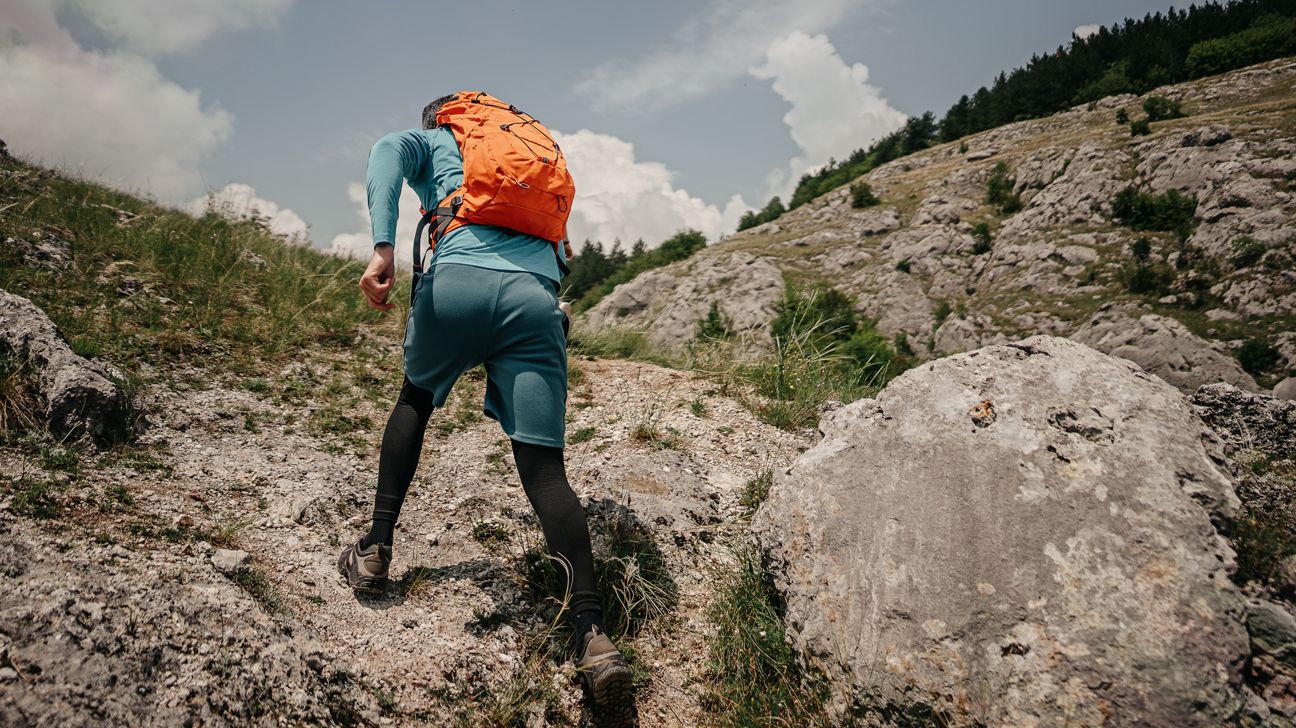
# Rucking: How Walking With Weight Builds Strength and Endurance
Rucking—walking while carrying a weighted backpack—delivers measurable fitness gains without requiring a gym membership or special equipment. The practice combines cardiovascular training with resistance work, engaging multiple muscle groups during a single workout.
The mechanics are straightforward. Walking with added weight forces your body to work harder against gravity, recruiting more muscle fibers than unweighted walking alone. Your legs, core, back, and shoulders all engage to stabilize and move the load. This dual stimulus builds both muscular endurance and aerobic capacity simultaneously.
To start safely, fitness experts recommend loading a backpack to 10 to 15 percent of your body weight. A 150-pound person would begin with 15 to 22 pounds. This starting point challenges your system without overwhelming joints or posture. Proper form matters: keep shoulders back, engage your core, and maintain an upright posture throughout your walk.
As your body adapts, progression happens naturally. Increase weight by small increments or extend your walking distance and duration. Many people find rucking sustainable because it integrates into daily life. You can ruck while walking the dog, pushing a stroller, or simply exploring your neighborhood. This flexibility removes common exercise barriers like time constraints or gym access.
The calorie burn exceeds standard walking significantly. Weighted walking elevates heart rate and oxygen consumption, boosting metabolic demand. Unlike intense interval training, rucking feels manageable and low-impact, making it suitable for people at various fitness levels.
Rucking also strengthens stabilizer muscles often neglected in traditional cardio. Your core and posterior chain work constantly to manage the load's position and momentum. This translates to improved posture, reduced injury risk, and better functional strength for everyday activities.
The accessibility factor sets