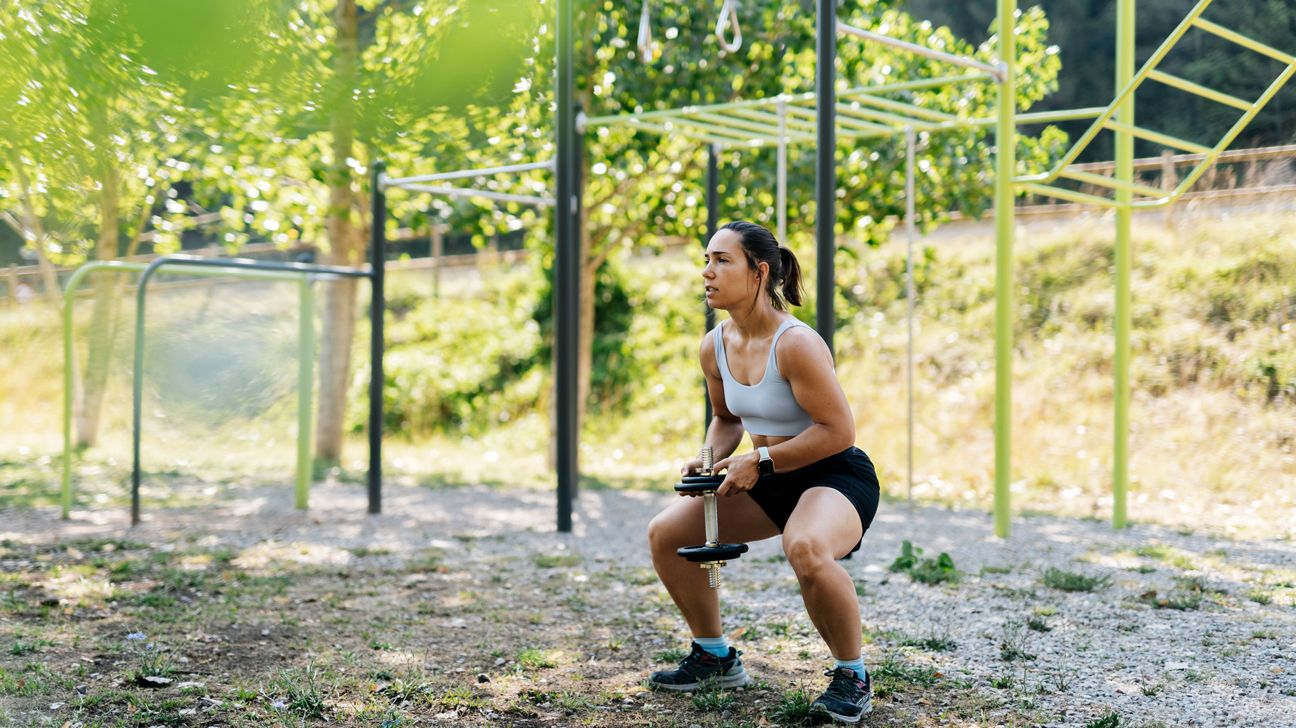
Strength training as little as two hours per week reduces heart disease risk in women, according to new research. The finding challenges assumptions that women need extensive exercise routines to protect their cardiovascular health.
Researchers analyzed data from thousands of women to establish the connection between resistance training and heart disease prevention. The study found that women who completed just two hours of strength work weekly showed meaningful reductions in cardiovascular risk compared to those who did no resistance training at all. The benefits held across different age groups and fitness levels.
The mechanism appears straightforward. Strength training improves several markers tied to heart health. Building muscle increases metabolism, helps regulate blood sugar, reduces inflammation, and strengthens the cardiovascular system itself. Women who lift weights also tend to have better cholesterol profiles and lower blood pressure over time.
This research matters because many women avoid the gym thinking they lack time for exercise. Two hours weekly is roughly 17 minutes daily, a figure most schedules can accommodate. The data suggests resistance training deserves equal priority alongside the cardio workouts that dominate women's fitness conversations.
The study did not require women to perform complex routines or spend hours in the gym. Basic strength exercises like squats, lunges, push-ups, and dumbbell work delivered the cardiovascular benefits. Bodyweight resistance counting toward weekly totals further lowers barriers to participation.
Women over 50 showed particular benefits, as menopause-related changes to muscle mass and metabolism increase heart disease risk in this group. Strength training directly counters these shifts by preserving muscle tissue and maintaining metabolic function.
Cardiologists now recommend strength training as a core component of heart disease prevention for women, not an optional supplement to cardio. The evidence supports building resistance work into weekly routines alongside walking, swimming, or cycling. Starting with two hours weekly and gradually increasing intensity produces sustained benefits without requiring dramatic lifestyle changes.
CATEGORY