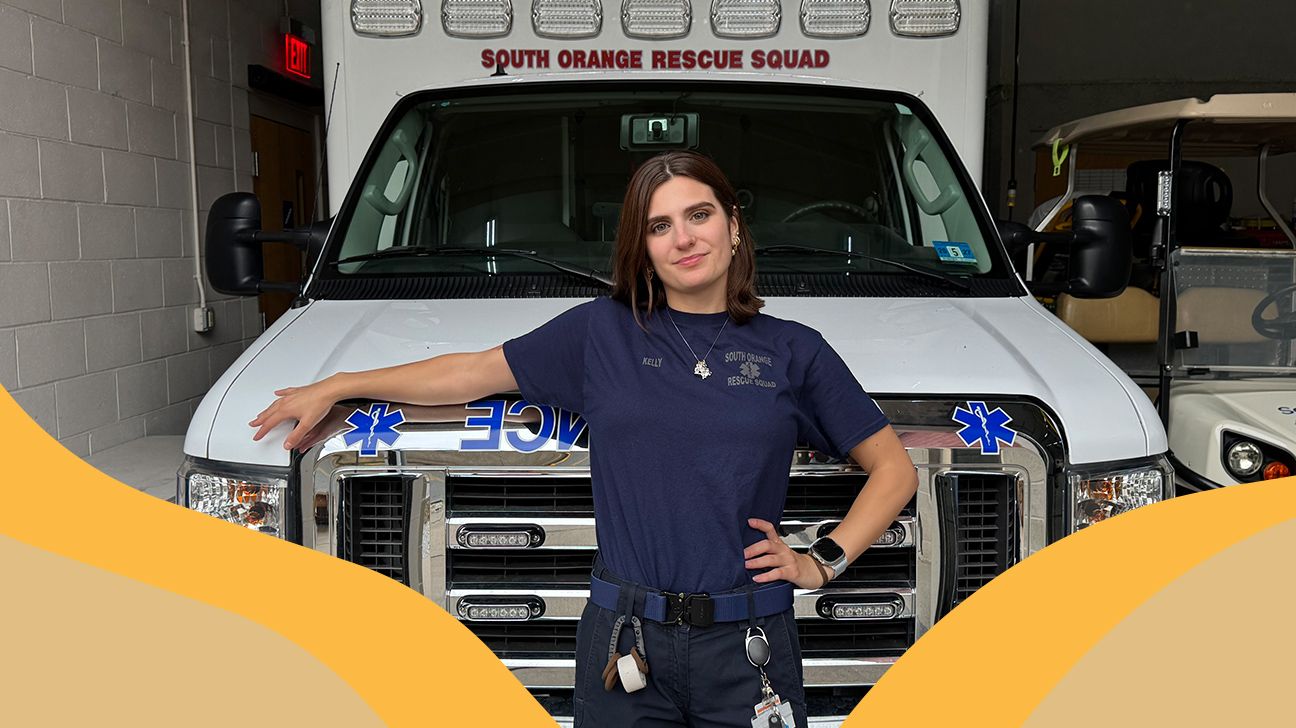
Simone Kelly, a 24-year-old volunteer EMT, became the public face of opioid overdose response after a video captured her reviving a man with Narcan during the New York Knicks parade in June 2024. The footage sparked widespread conversation about addiction treatment and bystander intervention.
Kelly administered the nasal spray naloxone to the unresponsive man on a crowded Manhattan street. Within minutes, he regained consciousness. The moment resonated online, generating thousands of shares and comments from people moved by her quick action and composure under pressure.
In interviews following the viral moment, Kelly has emphasized that her response reflects her broader commitment to treating addiction without judgment. She describes her work as an EMT through a compassion-based lens, viewing people struggling with opioid use disorder as patients deserving dignity and care, not criminals or social problems.
Naloxone, the medication Kelly used, reverses opioid overdoses by blocking opioid receptors and restoring normal breathing within two to three minutes. The nasal spray formulation requires no special training and costs less than twenty dollars. Public health organizations recommend widespread distribution and public access to naloxone precisely because lay people can use it effectively in emergencies.
Kelly's visibility has amplified a public health message: bystanders possess the tools and ability to save lives during overdose events. She frames her role not as heroic but as straightforward emergency response. By normalizing naloxone use and overdose intervention, she challenges stigma surrounding addiction.
The opioid crisis continues claiming tens of thousands of lives annually across the United States. Naloxone access and trained responders represent evidence-based harm reduction strategies. Kelly's work demonstrates how individual EMTs, paramedics, and trained civilians can directly prevent deaths. Her repeated message centers on action. When witnessing an overdose, people