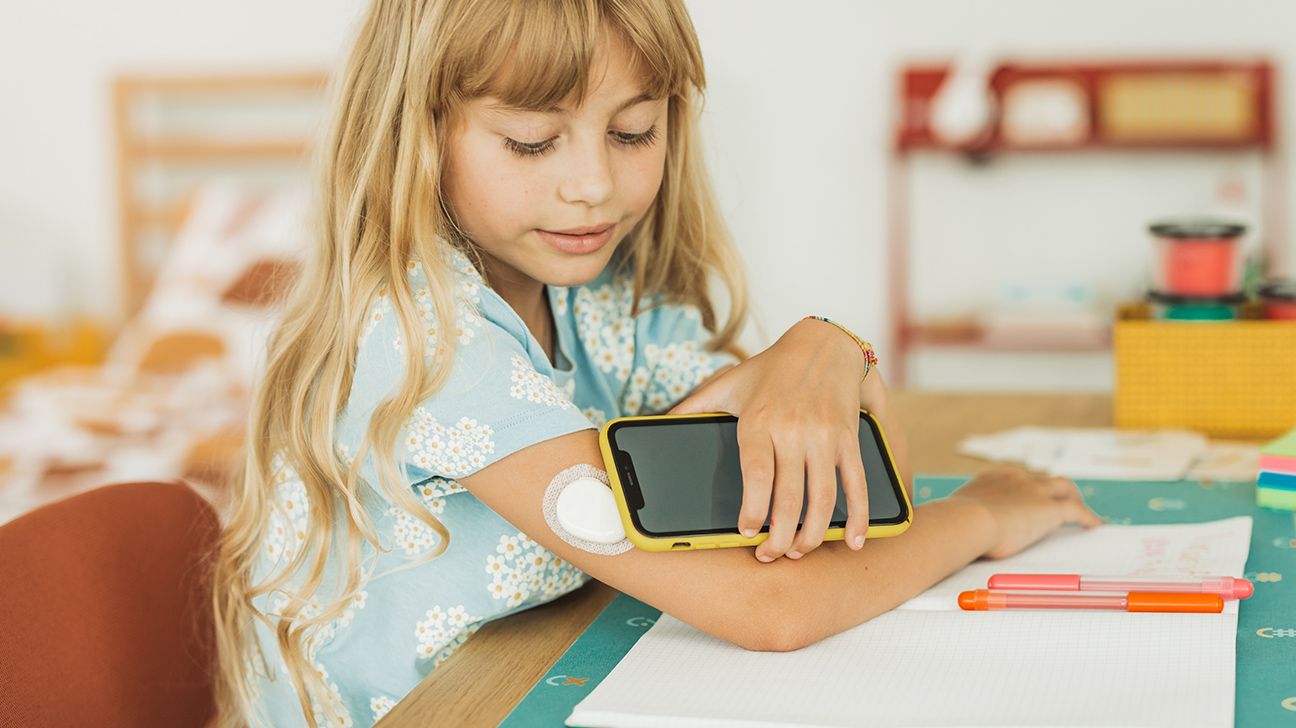
The FDA has cleared the first over-the-counter continuous glucose monitor designed specifically for children, expanding access to real-time blood sugar tracking without requiring a prescription.
This approval marks a shift in diabetes management for younger patients. Continuous glucose monitors, or CGMs, measure glucose levels throughout the day and night using a small sensor worn on the skin. They transmit data to a smartphone or receiver, allowing families to monitor trends and catch dangerous blood sugar spikes or drops faster than traditional finger-stick testing.
Previously, CGMs required a doctor's prescription and were primarily available to people with type 1 diabetes or those on insulin therapy. The OTC designation removes the prescription barrier for pediatric use, making the technology available to families managing type 2 diabetes in children, prediabetes, or those simply wanting to understand their child's glucose patterns.
The clearance comes as childhood diabetes rates continue climbing. Type 2 diabetes diagnoses in children have surged over the past two decades, driven by rising obesity rates and metabolic changes. Continuous monitoring helps parents and children understand how diet, exercise, and stress affect blood sugar in real time, supporting more informed health decisions.
Healthcare providers emphasize that while this OTC clearance increases accessibility, it does not replace medical care. Children diagnosed with diabetes still require evaluation and management from endocrinologists or pediatricians. The data generated by these monitors becomes most valuable when reviewed with healthcare professionals who can help families interpret patterns and adjust lifestyle or medication strategies accordingly.
For families managing diabetes or concerned about metabolic health, this approval offers a practical tool for self-monitoring. The convenience of OTC access may encourage earlier detection of glucose abnormalities in children, potentially preventing progression to type 2 diabetes in at-risk populations.