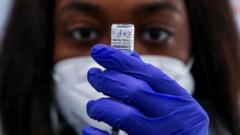
A major review of the UK's Covid-19 response confirms vaccines prevented hundreds of thousands of deaths, yet public confidence in vaccination programs remains fragile. The findings highlight a critical gap between the science and public perception.
The report documents that immunisation campaigns averted substantial mortality across all age groups. Vaccination reduced severe disease and death most dramatically in older populations and those with underlying health conditions. These outcomes match predictions from epidemiological models developed early in the pandemic.
However, the analysis reveals persistent vaccine hesitancy persists despite overwhelming evidence of benefit. Trust declined among specific communities following the initial rollout, driven partly by misinformation about side effects and partly by historical medical mistrust in certain populations.
Public health officials stress that vaccine success alone does not guarantee future uptake. Dr. Jenny Harries and other leading epidemiologists involved in the UK response emphasize that building durable confidence requires consistent communication, transparency about adverse events, and genuine engagement with communities skeptical of health institutions.
The report recommends several concrete steps. Health authorities should improve real-time communication of safety data. They must also address legitimate concerns about rare side effects rather than dismissing them. Engaging trusted community leaders, religious figures, and local clinicians proves more effective than top-down messaging.
The findings underscore a sobering reality. The next major health crisis will require rapid vaccine deployment, yet public cooperation cannot be assumed. The UK's experience shows that scientific achievement and public trust operate on different timelines. Vaccines saved lives during Covid-19, but earning back hesitant populations' confidence demands sustained effort.