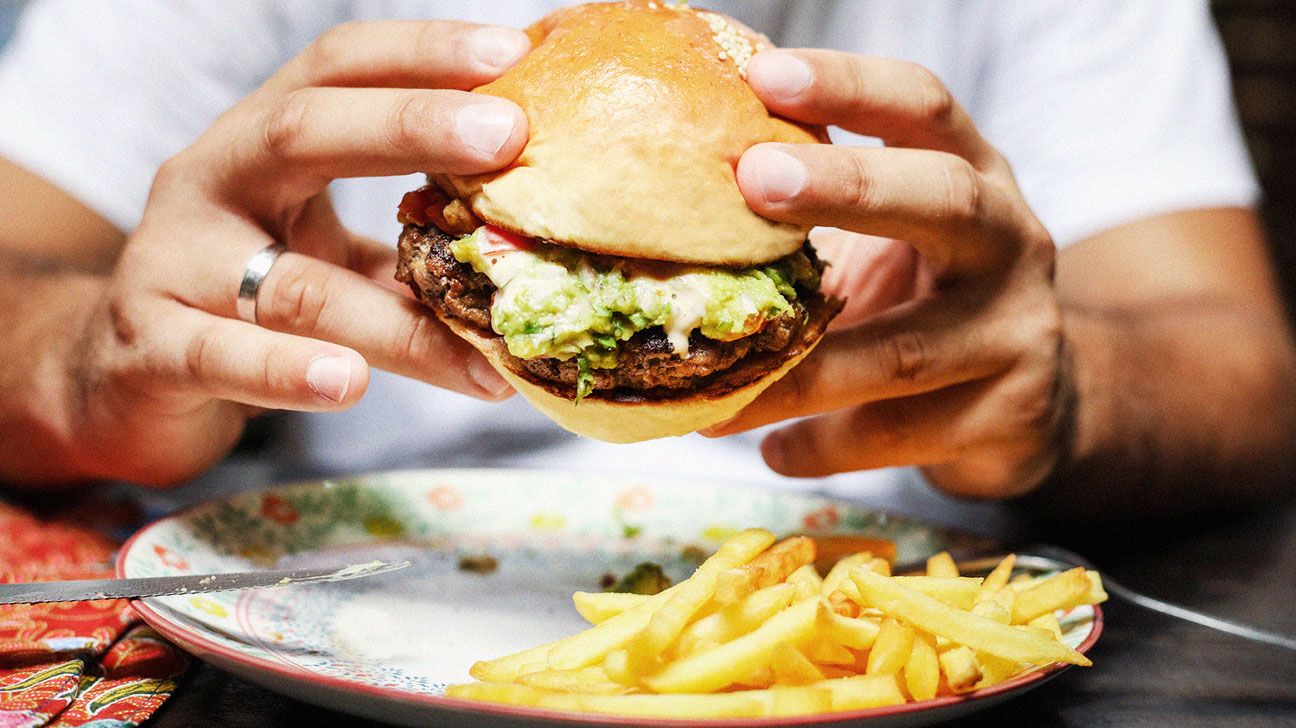
# Drinking Alcohol May Lead to Ultra-Processed Food Cravings. Here's Why
Alcohol consumption triggers cravings for ultra-processed foods through a biological mechanism that disrupts your brain's reward system and nutrient sensing. Recent research reveals how a single drink can shift your food choices toward calorie-dense, nutrient-poor options.
When you drink alcohol, your body prioritizes metabolizing ethanol over other nutrients. This metabolic shift dampens your brain's ability to detect and respond to satiety signals. Your hypothalamus, which regulates hunger and fullness, becomes less responsive to leptin, a hormone that tells your brain you're satisfied. Simultaneously, alcohol suppresses adenosine monophosphate-activated protein kinase (AMPK), an enzyme that monitors your energy status and typically signals fullness.
The disruption extends to your dopamine pathways. Alcohol itself activates reward centers in your brain, creating a pleasurable sensation. Ultra-processed foods trigger similar dopamine releases through their combination of salt, sugar, and fat. When alcohol has already stimulated these pathways, your brain becomes more responsive to additional reward-triggering foods, intensifying cravings for chips, burgers, and other highly palatable options.
This effect appears strongest after moderate alcohol consumption, particularly with higher-calorie drinks like beer and cocktails. Your blood sugar fluctuations after drinking also contribute to the problem. Alcohol impairs your liver's glucose regulation, causing blood sugar to dip. Your brain interprets this as an energy emergency and drives you toward quick-energy foods, typically ultra-processed options with refined carbohydrates.
The timing matters too. The craving intensifies within two to four hours after drinking, when alcohol's metabolic effects peak while your brain's satiety signals remain suppressed.
Understanding this mechanism helps explain why late-night drinking