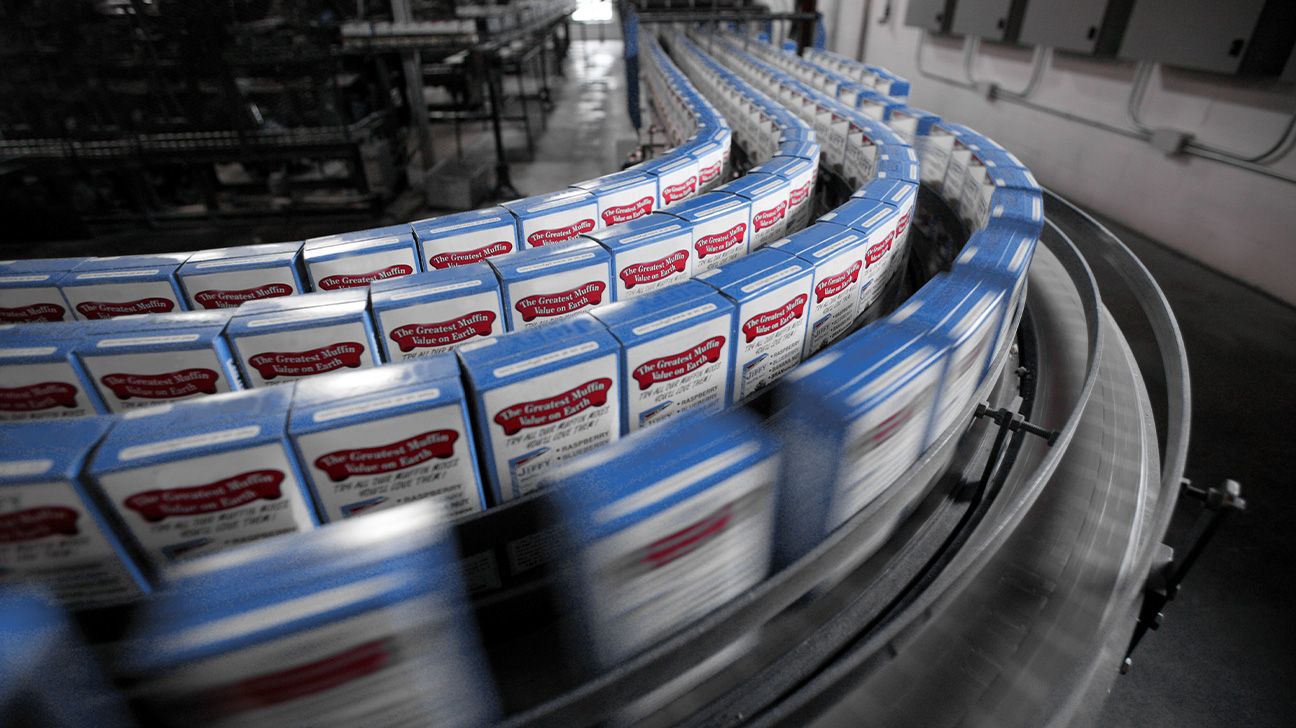
# How Ultra-Processed Foods Are Made Matters as Much as What's in Them
The manufacturing process behind ultra-processed foods shapes their health impact just as much as their ingredient lists do. Researchers now recognize that how food companies transform raw ingredients matters profoundly for human health.
Processing methods alter foods at a molecular level. High-heat treatments, extrusion, and chemical additives change the structure and digestibility of foods in ways that exceed simple ingredient concerns. When manufacturers expose foods to extreme temperatures or mechanical stress, they fundamentally change how our bodies process them.
A growing body of research demonstrates that two ultra-processed foods with nearly identical nutrients can have different metabolic effects based on their manufacturing techniques. The way processing breaks down fiber structures, damages proteins, or creates new compounds affects everything from blood sugar response to gut microbiome composition.
Industrial techniques like high-pressure processing, extrusion cooking, and chemical modification create compounds that don't exist in nature. These processing-induced changes can trigger inflammatory responses even when the food contains no problematic ingredients on its surface. Some researchers believe these altered compounds may drive obesity and metabolic disease more than traditional risk factors like sugar or fat content alone.
Understanding food labels becomes more complex with this knowledge. A processed cereal and whole grain oats might contain similar amounts of fiber and sugar, yet the cereal's manufacturing history means your body processes them differently. The cereal's fiber has been fragmented and restructured. Its proteins have been denatured.
This research suggests that "ultra-processed" extends beyond what's added to foods. It encompasses the industrial violence foods endure during manufacturing. Reading ingredient lists remains important, but manufacturing processes deserve equal attention.
For people trying to eat healthier, prioritizing minimally processed foods or those manufactured using gentler methods offers practical protection. Boiling, steaming, baking, and fermenting preserve food structure better than