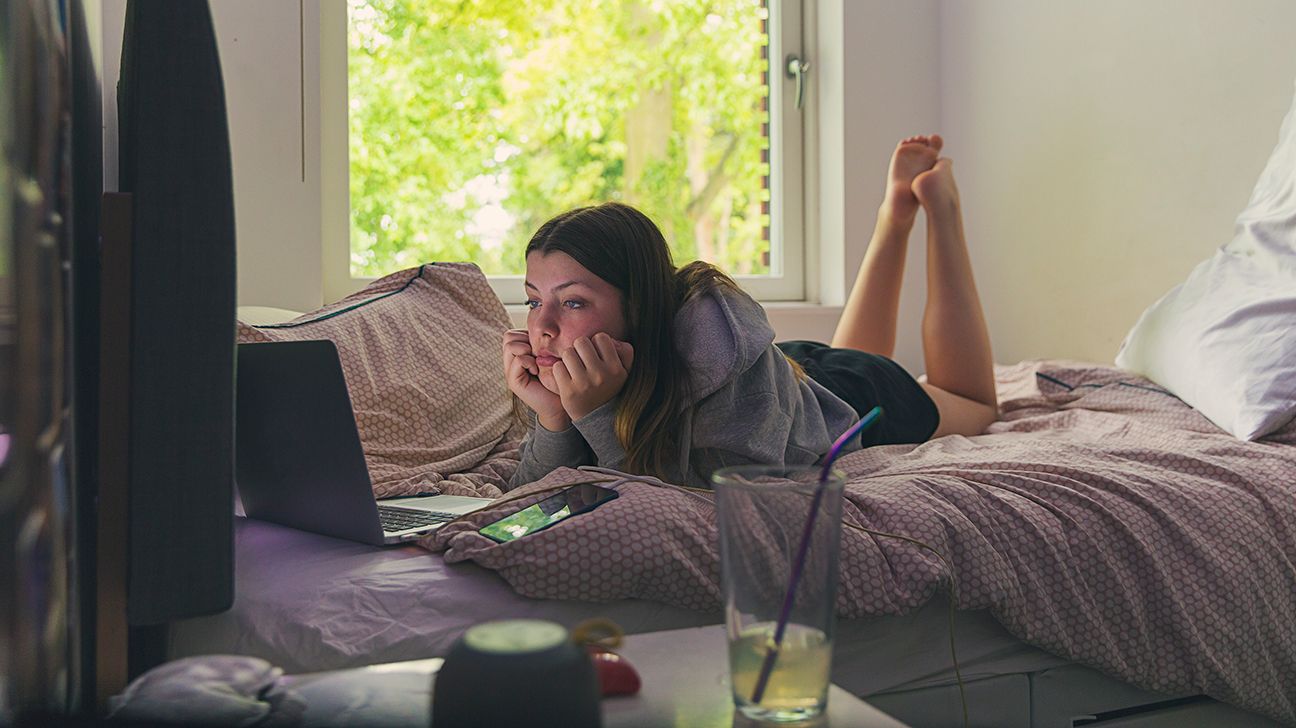
# Sitting Too Much Raises Cancer Risk, But Short Bursts of Light Activity May Help
Prolonged sitting increases cancer risk across multiple cancer types, but researchers have found a practical intervention. Breaking up sedentary time with brief bouts of light physical activity can lower this risk substantially.
A growing body of epidemiological research links excessive sitting to colorectal cancer, endometrial cancer, and ovarian cancer. The mechanisms operate through multiple pathways. Extended sitting reduces insulin sensitivity, increases chronic inflammation, and disrupts hormonal balance, all of which promote tumor development. Additionally, sedentary behavior slows digestive transit time, increasing colon cancer exposure to carcinogens.
The good news emerges from recent studies examining movement patterns. Research shows that interrupting sitting every 30 minutes with just two to three minutes of light activity—walking, gentle stretching, or standing—reduces cancer biomarkers significantly. These brief activity breaks lower insulin levels, reduce inflammation markers, and improve glucose control.
What counts as "light activity" proves accessible to most people. Walking at a comfortable pace, climbing stairs, or doing light household tasks all qualify. The key lies in frequency rather than intensity. People who break their sitting time into regular intervals experience greater protective effects than those who sit continuously for hours then exercise once daily.
Public health officials increasingly recommend the "activity snacking" approach. Rather than viewing exercise as a concentrated block, this strategy treats movement as something woven throughout the day. For desk workers, this might mean standing while taking calls, walking to get water, or doing brief stretching sessions hourly.
The research applies especially to people spending eight-plus hours daily in seated positions. Workers in office environments, students, and those with mobility limitations benefit from understanding this concept. Even individuals unable to perform vigorous exercise can reduce cancer risk through consistent light activity interruptions.
Healthcare providers now discuss sitting habits during