# Just 2 Hours of Strength Training May Lower Heart Disease Risk in Women
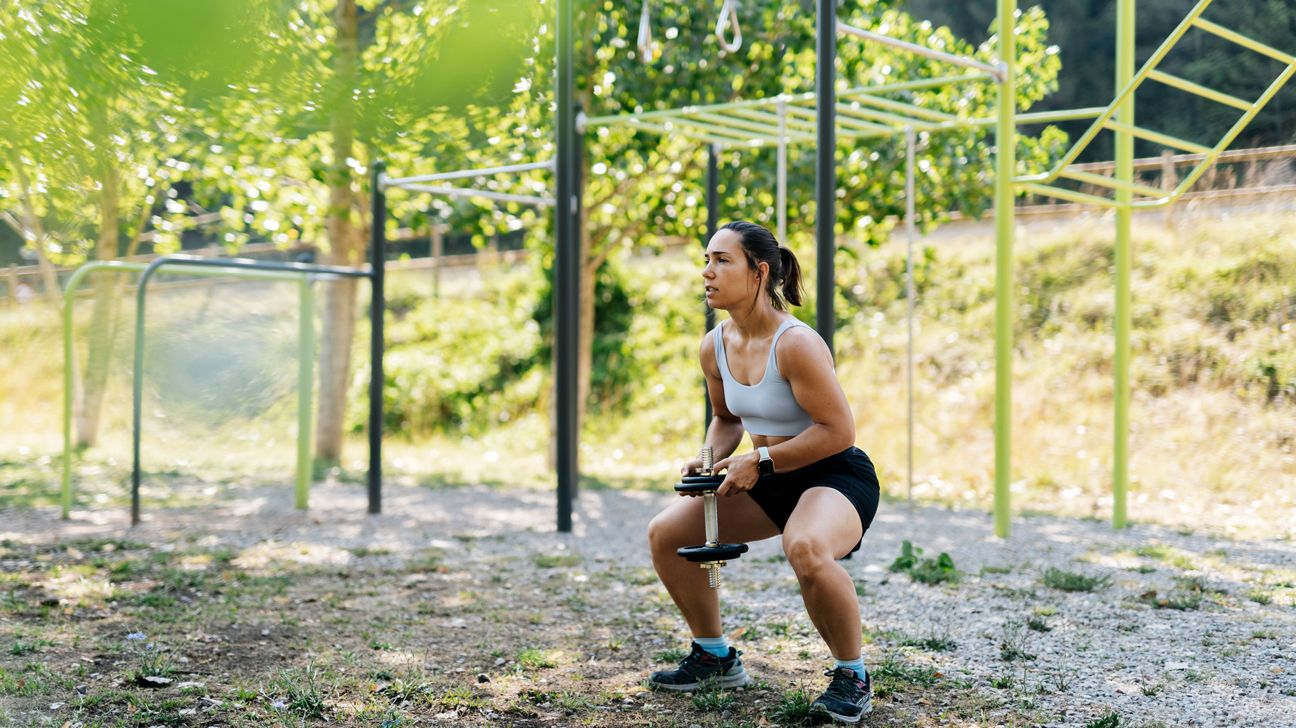
Strength training as little as two hours per week reduces heart disease risk in women, according to recent research. The finding offers a practical entry point for women seeking cardiovascular protection through resistance exercise.
Researchers analyzed data from multiple studies examining the relationship between resistance training and cardiovascular outcomes in women. The results show a dose-response pattern. Women who engaged in approximately two hours of strength training weekly demonstrated measurably lower risk of coronary heart disease compared to sedentary women.
The mechanism behind this protection involves several physiological changes. Strength training improves blood pressure regulation, enhances insulin sensitivity, and reduces inflammation markers associated with heart disease. Building muscle mass also increases metabolic rate and improves lipid profiles. These changes accumulate over time, creating a protective effect against cardiovascular events.
The two-hour threshold is notably accessible. This translates to roughly 30 minutes, four times weekly, or longer sessions less frequently. Women can accomplish this through dumbbells, resistance bands, bodyweight exercises, or gym equipment. The variety means nearly any schedule can accommodate strength training.
Current cardiovascular guidelines often emphasize aerobic exercise like walking and running. Strength training has historically received less attention in heart disease prevention conversations. This research demonstrates that resistance exercise deserves equal standing in women's cardiovascular health strategies.
The findings apply broadly across age groups and fitness levels. Women new to strength training benefit from starting with lighter loads and focusing on form. Progressive resistance over weeks and months produces the best results.
Combining strength training with aerobic activity optimizes cardiovascular benefits. The American Heart Association recommends both types of exercise for complete heart protection. Women who currently do neither should consult healthcare providers before starting, particularly those with existing health conditions.
This research empowers women with a concrete, time-efficient strategy for heart disease prevention. Two