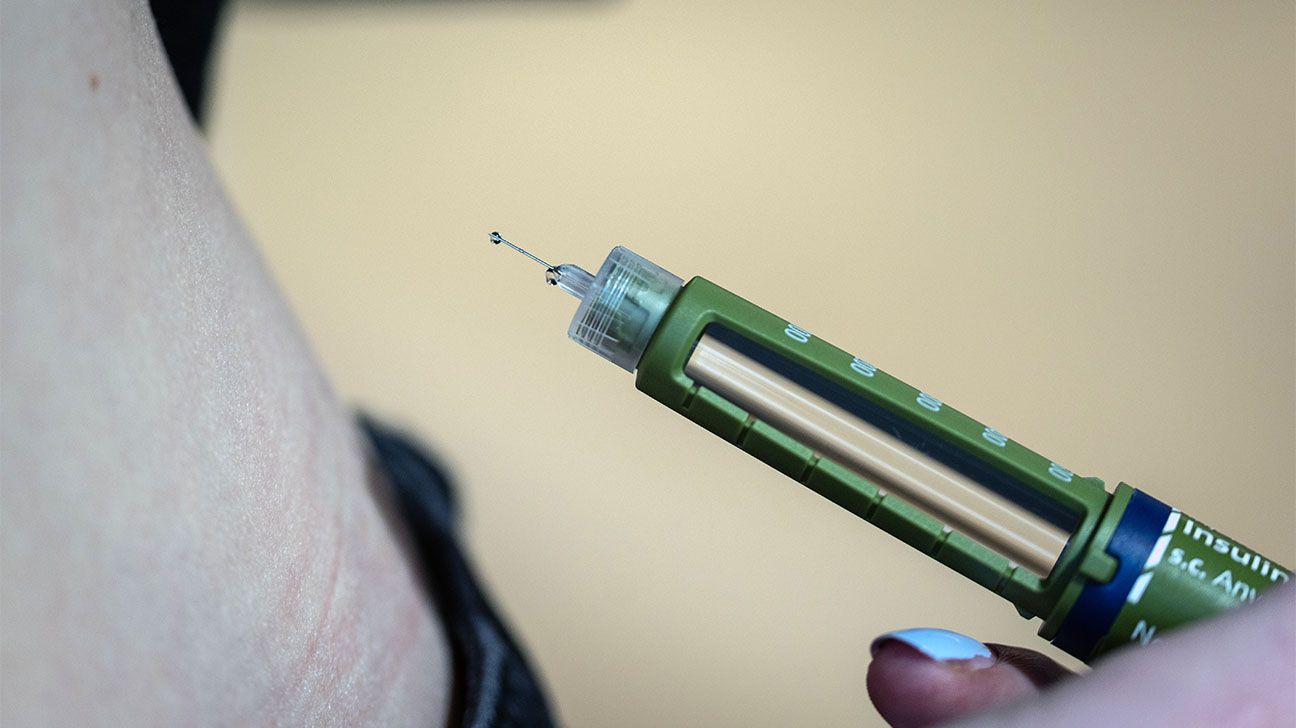
A twice-monthly injection of a GLP-1 receptor agonist helps people with type 2 diabetes control blood sugar and lose weight, according to a clinical trial. The research tested a new formulation designed for less frequent dosing than the weekly versions currently available.
GLP-1 medications work by mimicking a hormone that regulates blood sugar and appetite. They have become popular for both diabetes management and weight loss in recent years. The twice-monthly option could reduce the burden of frequent injections for patients who need long-term treatment.
Trial participants receiving the medication experienced improvements in hemoglobin A1C, a measure of average blood sugar over three months. They also saw weight loss compared to those receiving placebo. The results suggest that extending the dosing interval maintains the drug's effectiveness while potentially improving adherence, since patients inject less often.
GLP-1 medications carry known side effects including nausea, vomiting, and gastrointestinal upset, particularly when starting or increasing doses. Some patients report appetite suppression so severe that eating becomes difficult. Rare but serious concerns about pancreatitis and thyroid complications have also emerged in post-market surveillance.
The twice-monthly formulation represents a practical advance for people already using these drugs. Fewer injections mean less opportunity to miss doses and easier travel management. However, the medication remains expensive and access remains limited for many patients without insurance coverage.
Researchers continue studying longer-acting GLP-1 formulations, including monthly and quarterly options. These developments aim to balance convenience with effectiveness. For people with type 2 diabetes struggling with multiple daily medications and injections, less frequent dosing options provide real relief. The data suggest this approach warrants further evaluation in diverse patient populations to confirm long-term safety and efficacy.