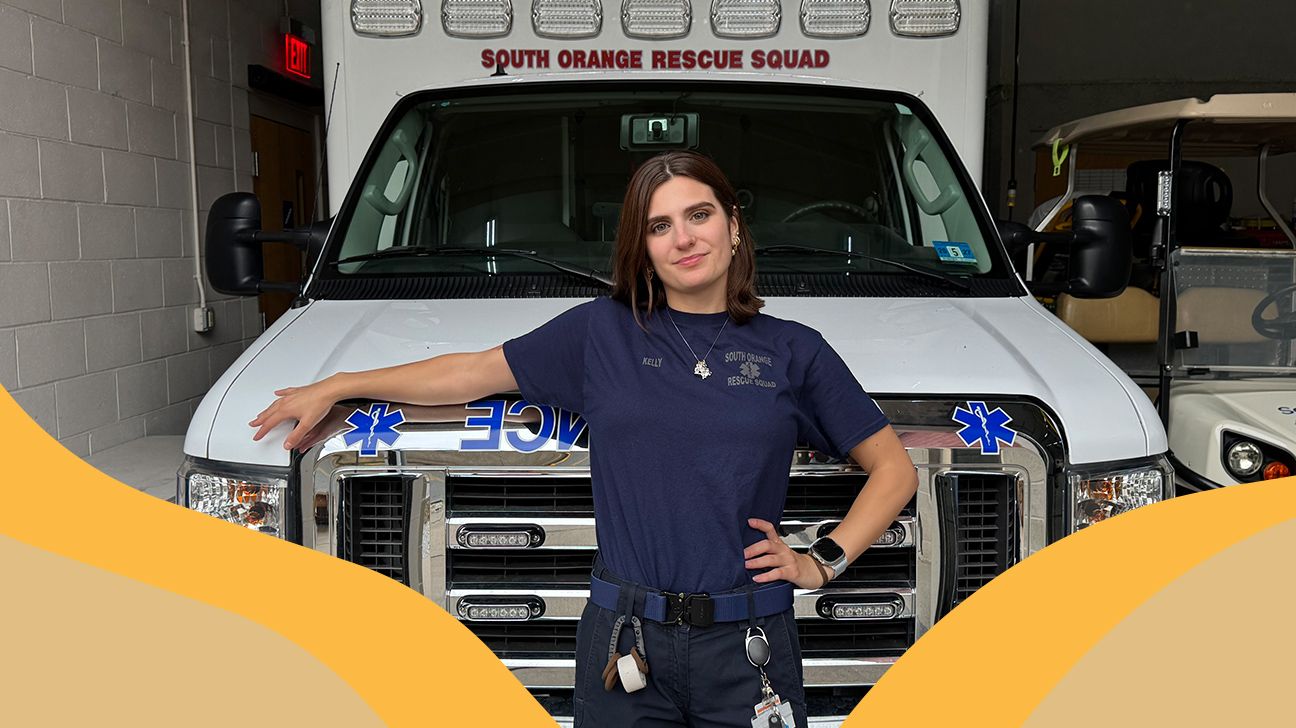
Simone Kelly, a 24-year-old volunteer EMT, became a public face of overdose response when she revived a man with Narcan at the 2024 Knicks parade in New York City. The moment was captured on video and circulated widely on social media, putting a human face on the opioid crisis and the life-saving interventions that can reverse overdoses.
Kelly uses her newfound platform to advocate for bystander involvement in overdose situations. Her core message: don't hesitate to act when someone is experiencing an overdose. Narcan, the brand name for naloxone, works by blocking opioid receptors in the brain and can rapidly reverse the effects of opioid overdose, restoring normal breathing within two to three minutes.
The viral moment highlighted a critical gap in overdose response. Many bystanders don't intervene because they fear legal consequences, lack knowledge about how to use Narcan, or simply don't recognize an overdose in progress. Kelly's story counters these barriers. She demonstrates that trained and untrained people alike can make the difference between life and death.
Kelly's passion extends beyond the single incident. She advocates for wider access to Narcan in communities, training programs that teach the public how to recognize and respond to overdoses, and reducing stigma around addiction treatment. Her message reaches audiences who might otherwise dismiss overdose as someone else's problem.
The opioid overdose epidemic continues claiming tens of thousands of lives annually in the United States. Public health experts emphasize that naloxone availability and bystander willingness to use it represent one of the most effective, low-cost interventions currently available. Every Good Samaritan law protects people who administer naloxone in good faith.
Kelly's story matters because it normalizes lifesaving action. She shows that ordinary people, not