# Cockroach Vs. Water Bug: How to Tell the Difference, According to Pest Experts
Homeowners often confuse cockroaches with water bugs, but pest experts say the distinction matters for effective pest management and health concerns.
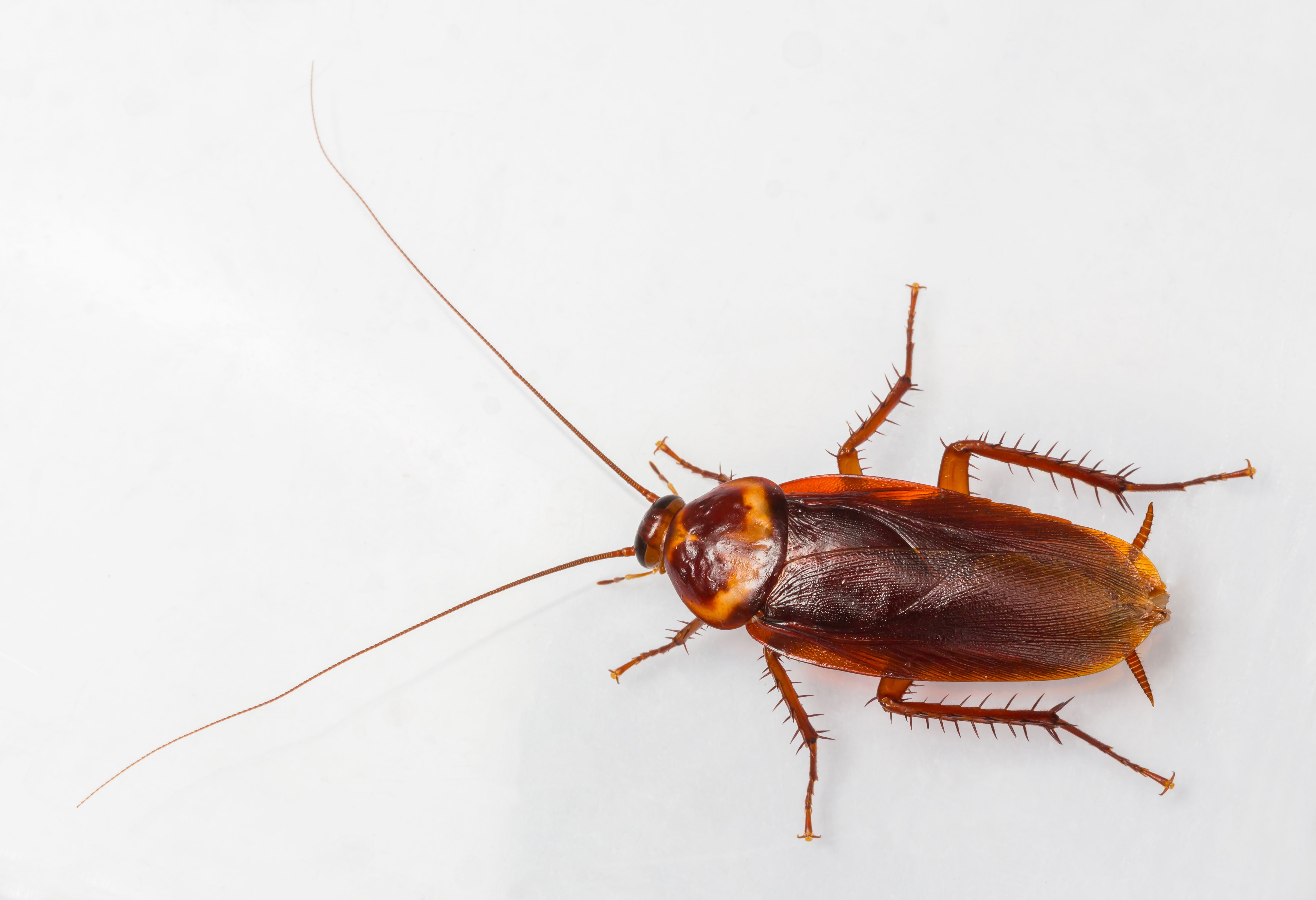
The key differences lie in appearance and behavior. Cockroaches have flattened, oval bodies with long antennae and typically move quickly across surfaces. Water bugs, technically aquatic insects called giant water bugs or toe-biters, appear larger and more robust with a darker, more elongated shape. Water bugs have shorter antennae and paddle-like hind legs adapted for swimming.
Habitat provides the clearest identifier. Cockroaches thrive in warm, humid indoor spaces like kitchens and bathrooms. They hide in cracks, under appliances, and behind walls during the day. Water bugs prefer standing water outdoors—ponds, pools, and marshy areas. While they occasionally wander indoors seeking water sources during droughts, they don't establish colonies in homes like cockroaches do.
Behavior differs substantially. Cockroaches are nocturnal scavengers that contaminate food and surfaces with disease-carrying pathogens. Finding one typically signals an infestation. Water bugs are solitary predators that hunt insects and small aquatic creatures. They rarely indicate a broader pest problem.
The smell test helps too. Cockroaches release musty odors, especially in large numbers. Water bugs have a distinctly acidic smell when threatened.
If you encounter a cockroach, eliminate food sources, seal cracks and crevices, and reduce humidity. Call a pest control professional if you see more than one, as this indicates infestation. For water bugs, remove standing water sources and seal entry points. These insects rarely require professional treatment unless they're repeatedly entering your home.
Understanding this distinction prevents