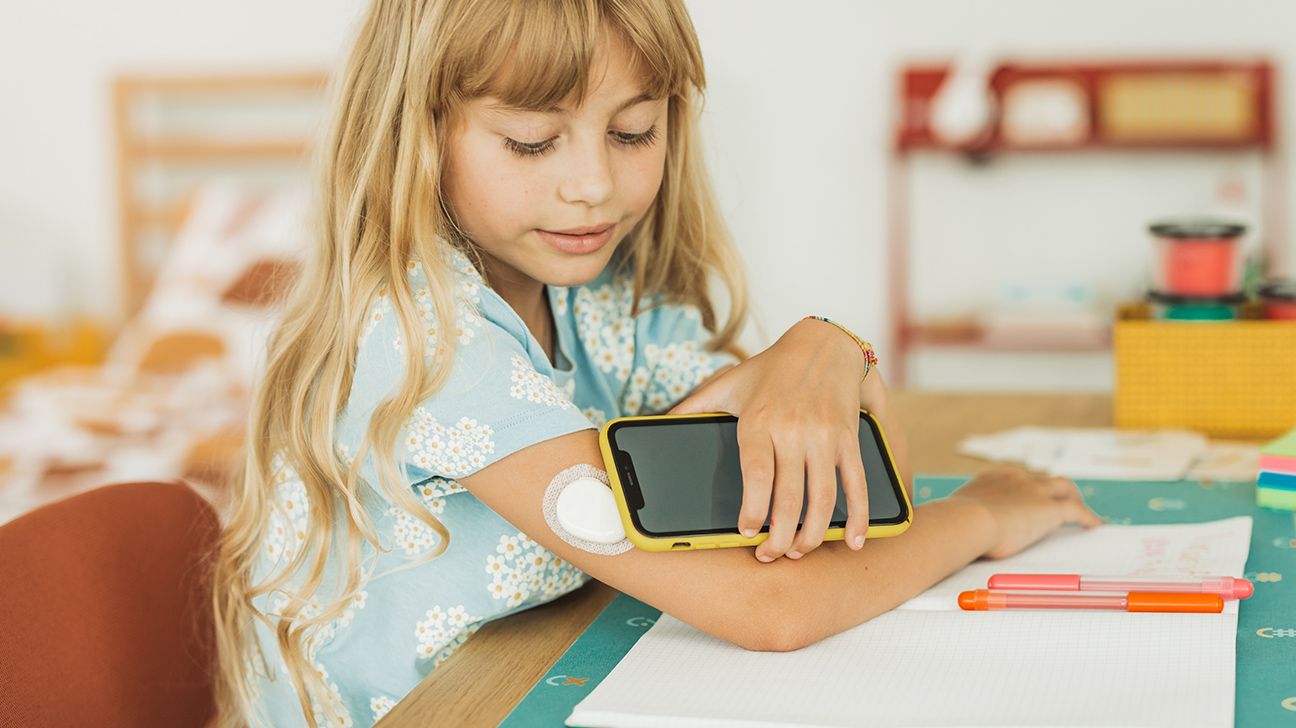
The FDA has approved the first over-the-counter continuous glucose monitor designed specifically for children, expanding access to real-time blood sugar tracking without requiring a prescription. This clearance represents a shift in how families can manage glucose monitoring outside traditional medical settings.
Continuous glucose monitors (CGMs) measure glucose levels throughout the day and night using a small sensor worn on the skin. Previously, most CGMs required prescriptions and were primarily used by people with diabetes. This over-the-counter model allows parents and caregivers to monitor blood sugar patterns in children more easily, potentially identifying glucose irregularities before they become health concerns.
The device uses a small adhesive sensor that reads glucose levels and transmits data to a companion app or receiver. The FDA's clearance means the monitor meets safety and accuracy standards for pediatric use. Parents can track trends, receive alerts for high or low readings, and access historical data to share with healthcare providers.
Access matters here. CGM technology has long remained expensive and restricted to prescription-only channels. Opening this device to over-the-counter purchase removes gatekeeping barriers for families who want to monitor their children's glucose without a doctor's order. This proves particularly valuable for parents concerned about family history of diabetes or who notice metabolic changes in their children.
Experts note that while this approval expands monitoring options, interpretation of the data remains important. A continuous glucose monitor shows patterns but does not diagnose diabetes or other conditions. Parents should still consult healthcare providers about what the readings mean for their individual child.
The approval signals broader FDA willingness to make health monitoring technology more accessible. As glucose monitors become available without prescriptions, families gain tools for early detection and proactive health management. Children with existing diabetes diagnoses benefit from easier access, while parents of children without known conditions can now monitor glucose trends as part of preventive health tracking.