# These Overlooked Skin Cancer Signs Could Be Easy to Miss
Skin cancer detection relies heavily on what patients notice themselves, yet many early warning signs remain hidden in plain sight. Dermatologists report that people frequently miss atypical presentations of melanoma and non-melanoma skin cancers because they don't fit the classic ABCDE framework that dominates public awareness.
The traditional ABCDE rule—asymmetry, border irregularity, color variation, diameter larger than a pencil eraser, and evolution over time—catches many melanomas. However, research shows this checklist misses subtler presentations. Amelanotic melanomas, which lack pigmentation entirely, appear as flesh-colored or pink lesions and account for roughly 5 to 10 percent of all melanomas. These lesions frequently go undiagnosed for longer periods because patients and even some practitioners don't recognize them as potentially cancerous.
Basal cell carcinoma often presents as small, pearly bumps with central dimpling or bleeding that doesn't heal properly. Squamous cell carcinoma can resemble persistent scabs or rough patches that remain unchanged for weeks. Neither fits the dramatic, darkly pigmented image most people associate with skin cancer.
Location matters too. Lesions on the scalp, in the ear canal, or between toes escape regular scrutiny. Sun-protected areas like the genital region occasionally develop skin cancers that patients delay reporting due to embarrassment.
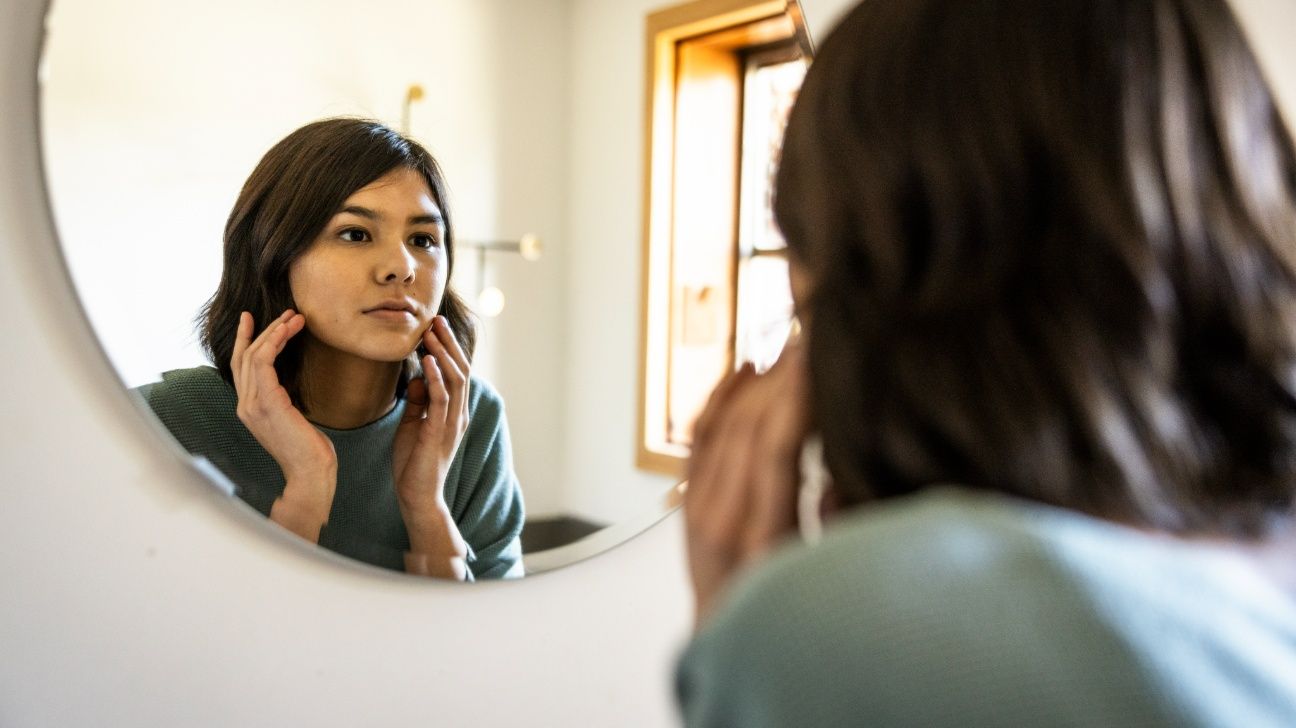
Dermatologists emphasize monthly self-exams using a mirror and asking a partner to check hard-to-see areas. Any new growth, changing mole, non-healing sore, or unusual bump warrants professional evaluation. Early detection dramatically improves treatment outcomes and survival rates across all skin cancer types.
The key lies in awareness beyond textbook descriptions. People should trust their instin