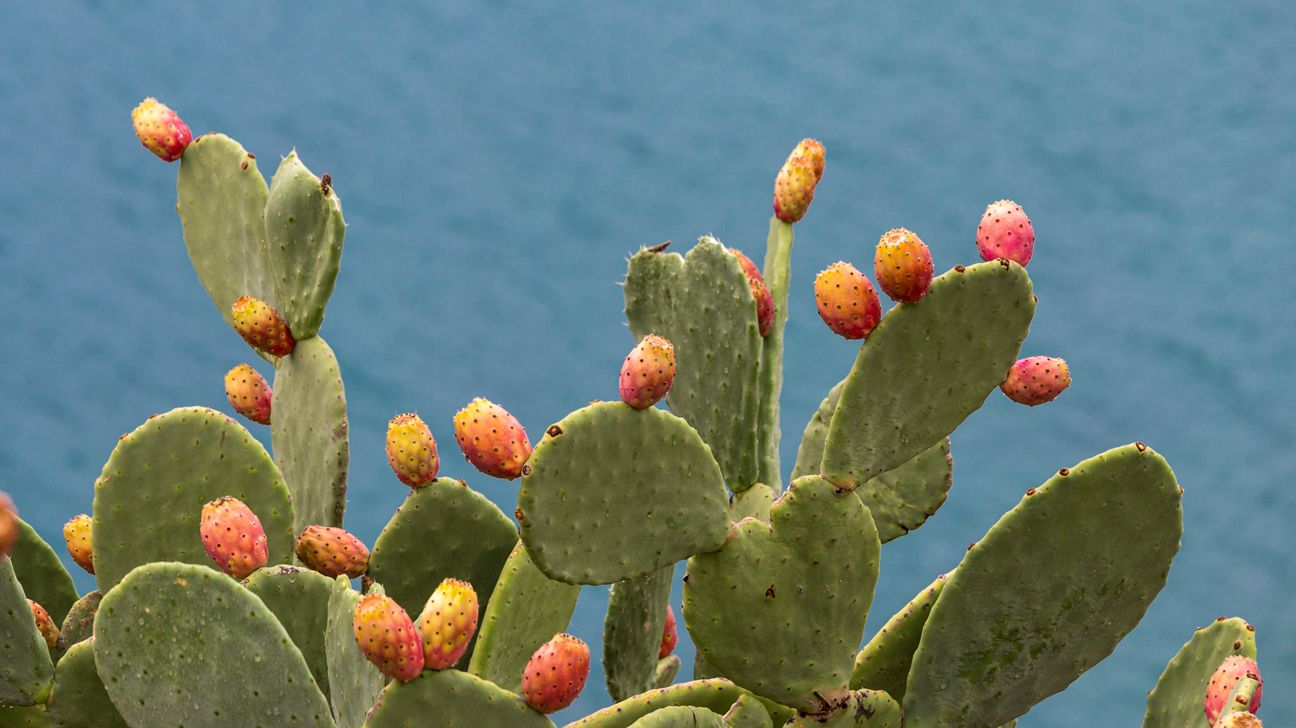
# Nopales: The Cactus Pad With Real Health Promise
Nopales, the edible pads of the prickly pear cactus, pack a nutritional punch that goes beyond novelty. These flat green leaves contain ascorbic acid and phenolic compounds, antioxidants that work to reduce inflammation throughout your body.
The blood sugar story shows real promise, though scientists remain cautious. A small study observed lower blood sugar levels when people ate nopales alongside a high-carbohydrate meal. However, larger systematic reviews conclude that current evidence remains insufficient to recommend nopales for diabetes prevention. The research points in the right direction but needs more rigorous testing with larger populations before clinicians can make definitive claims.
The anti-inflammatory benefits come from nopales' phytochemical profile. These plant compounds have documented effects on immune function and cellular health, making nopales a sensible addition for anyone prioritizing whole-food nutrition.
Preparation matters. Fresh nopales yield the most nutrients through boiling, grilling, or sautéing. Prickly pear juice offers a convenient alternative. Supplements containing 500 to 650 milligrams daily provide a standardized option for consistency.
Starting with nopales may trigger mild side effects. Some people report nausea, diarrhea, or unusual fullness during the first few days. These reactions typically resolve as your digestive system adjusts. Begin with small portions to assess your tolerance.
Nopales fit naturally into Mediterranean and Latin American cuisines, where they've been eaten for centuries. Modern science validates what traditional food cultures already knew. If you enjoy experimenting with vegetables and want to boost your antioxidant intake, nopales deserve a spot in your rotation. The anti-inflammatory profile alone makes them worth trying, while the potential blood