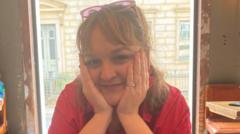
Actor Daneka Etchells spent years moving between doctors before receiving a diagnosis that explained her debilitating symptoms. Medical professionals dismissed her concerns, attributed her pain to anxiety, and failed to investigate underlying causes. By the time doctors identified her condition, permanent damage had already occurred.
Etchells now performs in a theatrical production exploring her journey through what she describes as medical gaslighting. The show examines how healthcare providers can minimize patient experiences, particularly when symptoms don't fit standard presentations or when patients don't match demographic assumptions doctors expect.
Her experience reflects a broader pattern documented in medical literature. Patients with atypical symptom presentations, women reporting pain, and those from marginalized communities face longer diagnostic delays and higher rates of misdiagnosis. Research shows these delays carry real consequences. When conditions progress undiagnosed, they can cause irreversible harm that treatment cannot reverse.
The theatrical approach to this story matters because it transforms individual suffering into collective learning. By witnessing Etchells' account on stage, healthcare workers and patients alike encounter the human cost of diagnostic dismissal. Theater creates space for empathy that clinical case studies alone cannot reach.
Medical gaslighting occurs when doctors invalidate patient symptoms, blame psychological factors without evidence, or suggest patients are exaggerating. This undermines trust in healthcare systems and delays appropriate treatment. Patients who experience this often second-guess their own bodies and delay seeking further care.
Addressing this pattern requires systemic change. Healthcare providers need training in recognizing implicit biases, listening to patient expertise about their own bodies, and investigating persistent symptoms regardless of how they initially present. Patients benefit from self-advocacy skills, seeking second opinions, and connecting with communities of others experiencing similar dismissal.
Etchells' performance serves as both testimony and call to action. Her story demonstrates that when medicine fails to listen, the consequences extend far beyond a single doctor's