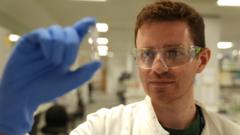
British regulators have approved human trials for an experimental Ebola vaccine developed in record time. The UK Medicines and Healthcare products Regulatory Agency cleared the vaccine for testing in healthy adults, marking an unusual acceleration in the drug development timeline.
The eight-week development period represents a dramatic compression of standard vaccine creation, which typically requires years of laboratory work before human testing begins. This speed reflects both advances in vaccine technology and the public health urgency surrounding Ebola outbreaks.
The trial will enroll healthy volunteers to assess the vaccine's safety profile and immune response. Researchers will monitor participants for adverse reactions and measure how effectively their immune systems respond to the vaccine candidate. These Phase 1 trials form the foundation for determining whether larger efficacy studies are justified.
The regulatory approval demonstrates how regulatory agencies can streamline review processes when facing potential public health threats. The UK regulator evaluated preclinical data and manufacturing quality in parallel rather than sequentially, compressing timelines without compromising safety oversight.
Ebola vaccines already exist and have proven effective during outbreaks, including Merck's Ervebo, which received WHO emergency use authorization. This new candidate may offer advantages in production speed, distribution, or storage stability that make it valuable for rapid response scenarios.
The trial's success could establish a model for future pandemic vaccine development. By demonstrating that rigorous safety evaluation remains possible within compressed timelines, regulators and developers gain evidence that emergency development protocols work. The experience may inform approaches for other emerging infectious diseases requiring rapid vaccine response.
Participants in the trial will contribute valuable data on immune mechanisms and safety outcomes. Their involvement helps bridge the gap between laboratory research and real-world effectiveness, an essential step before any vaccine reaches broader populations during an outbreak.