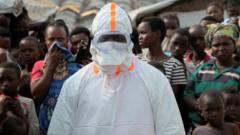
A UK humanitarian worker has been admitted to a London hospital for monitoring after potential exposure to Ebola virus in the Democratic Republic of Congo, according to the BBC.
The worker was evacuated from the DR Congo specifically due to possible contact with the virus. Hospital staff placed the individual under observation to track for any symptoms of infection.
Ebola transmission requires direct contact with blood or bodily fluids of infected people or animals. The virus causes severe illness with fever, muscle pain, weakness, and diarrhea, progressing to rash, impaired kidney and liver function, and in some cases internal and external bleeding. Case fatality rates range from 25 percent to 90 percent depending on the virus strain and access to treatment.
The UK maintains protocols for suspected viral hemorrhagic fever cases. High-consequence infectious disease units in hospitals like those in London can isolate patients in specialized facilities with strict infection control measures. Staff use personal protective equipment including gowns, gloves, eye protection, and respirators when caring for suspected cases.
The DR Congo experiences periodic Ebola outbreaks. Transmission typically occurs when people come into contact with infected wildlife, particularly fruit bats considered the natural reservoir, or handle infected animals like primates without protection. Healthcare workers and family members caring for patients face elevated risk.
Monitoring during the incubation period, which lasts 2 to 21 days, allows healthcare providers to detect symptoms early and begin supportive care if needed. Early treatment focusing on maintaining fluid balance, oxygen, and blood pressure significantly improves survival rates.
The UK's evacuation and hospital admission protocol reflects standard practice for potential viral hemorrhagic fever exposures among aid workers operating in affected regions. Regular screening and rapid assessment in specialized facilities represents a precautionary approach to protecting both the individual and the broader population.