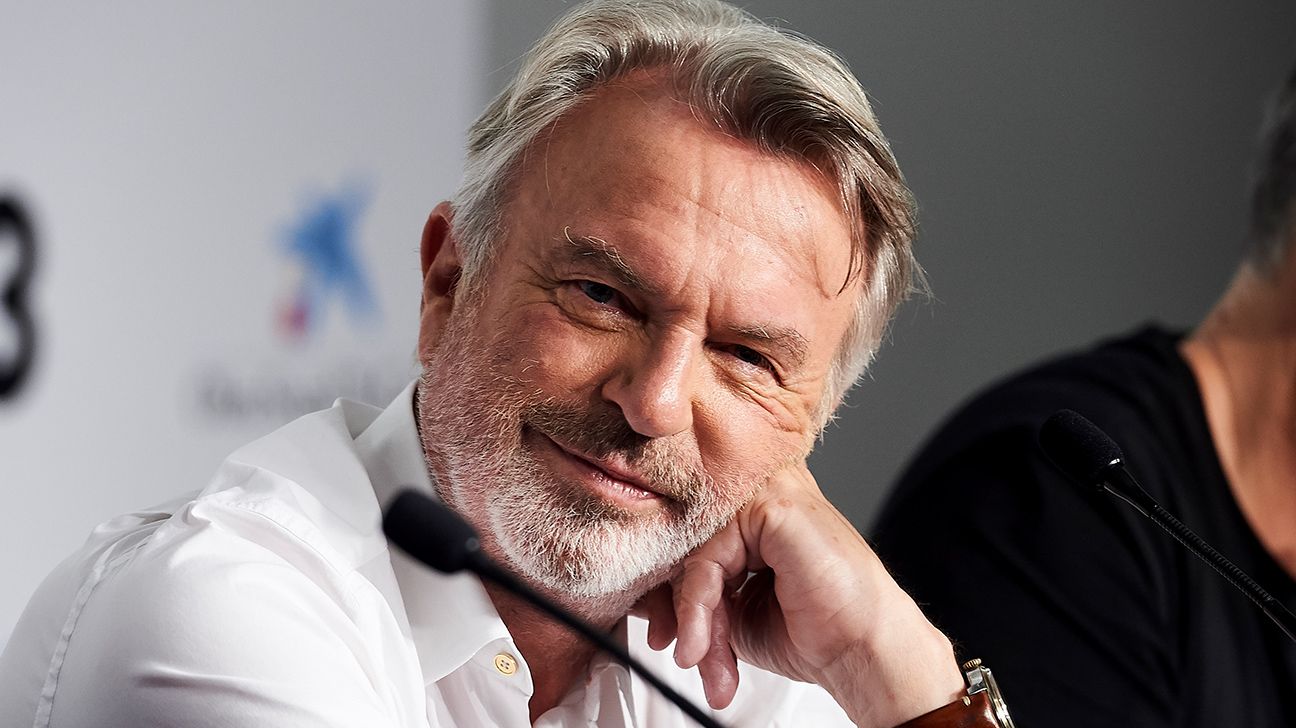
Actor Sam Neill, known for his role as Dr. Alan Grant in "Jurassic Park," died at 78 after a period of remission from blood cancer. Neill had publicly disclosed his diagnosis with blood cancer in 2022, revealing he underwent treatment that brought the disease into remission.
Blood cancers, including lymphomas and leukemias, represent a diverse group of malignancies affecting blood-forming tissues. Neill's specific diagnosis type was not publicly detailed, but survival rates for blood cancers have improved considerably over the past two decades due to advances in chemotherapy, immunotherapy, and targeted treatments.
When Neill announced his health status in 2022, he maintained an optimistic outlook, continuing his work in television and film during his remission period. He appeared in the HBO series "Succession" and other projects, demonstrating the variable nature of cancer remission and how some patients maintain active lives during treatment response periods.
Remission in blood cancer typically means cancer cells are no longer detectable in the body through standard testing methods. However, remission does not always equal cure. Some patients experience long-term remission lasting years or decades, while others may face recurrence. The duration and stability of remission depend on cancer type, stage at diagnosis, treatment response, age, and overall health status.
Neill's death highlights the reality that cancer survivors face ongoing health challenges even during remission periods. Other health complications, disease progression, or treatment side effects can affect long-term outcomes. The actor's openness about his diagnosis helped raise awareness about blood cancers and the experiences of patients navigating treatment and recovery.
His legacy extends beyond entertainment into health advocacy through his transparency about living with cancer during his final years.