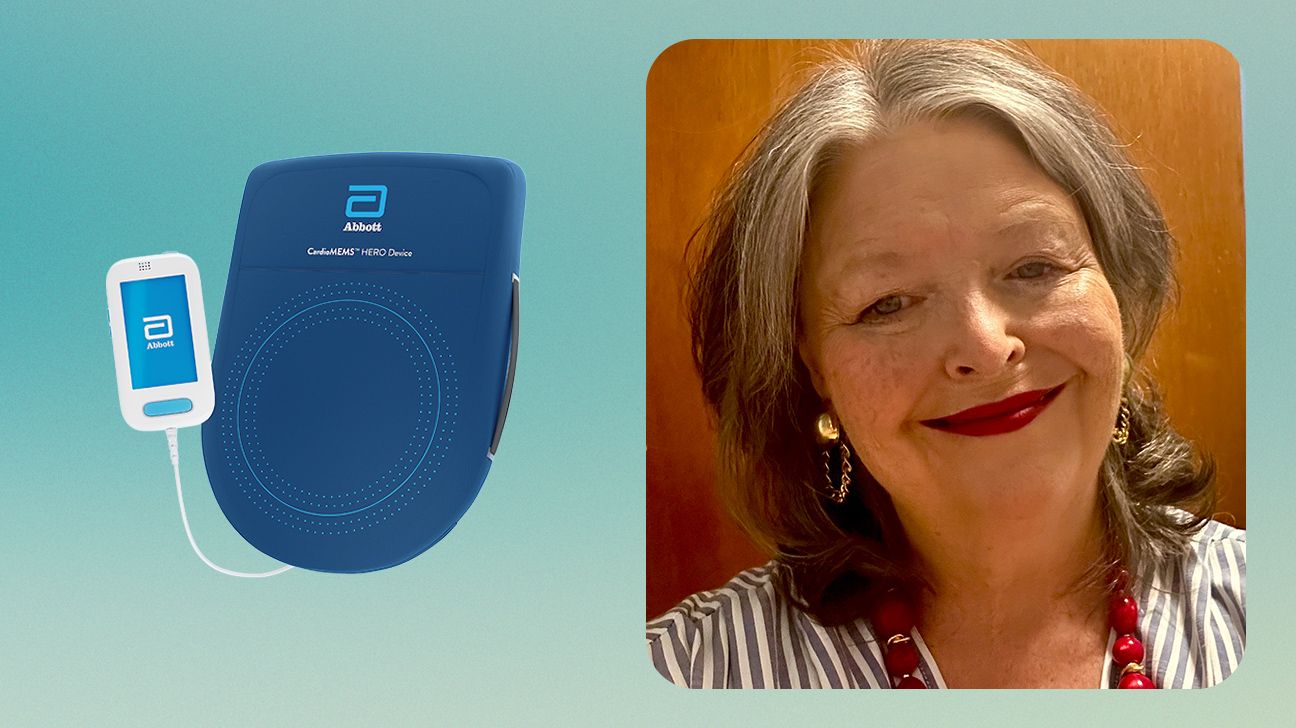
# Remote Heart Monitoring Brings Specialized Care to Rural Missouri
Angie Lindsey suffered a heart attack that left her living hours away from the nearest heart failure specialist. The closest cardiology center sat four hours' drive from her home in rural Missouri, a distance that made regular in-person appointments impractical and risky for someone managing a serious cardiac condition.
Remote monitoring technology changed her care trajectory. Through implantable devices that transmit heart rhythm data wirelessly, Lindsey's cardiologist now receives real-time information about her cardiac function without requiring her to travel. The system alerts her medical team to dangerous patterns before they escalate into emergencies.
This approach addresses a documented gap in rural healthcare. Geographic isolation forces many heart failure patients to choose between long drives for care or managing their conditions with limited local resources. Remote monitoring devices, which patients wear or have surgically implanted, collect continuous data on heart rate, blood pressure, and rhythm patterns. The information travels electronically to specialists who review it and adjust treatment plans accordingly.
Cardiologists increasingly embrace remote monitoring as standard practice for high-risk patients. The technology allows early detection of arrhythmias, fluid buildup, and other warning signs that previously went unnoticed between quarterly office visits. Studies demonstrate that remote monitoring reduces hospital readmissions and emergency interventions when deployed effectively.
For Lindsey, the shift meant staying home in her community while receiving care comparable to what urban patients access routinely. She no longer loses entire days to travel. Her medical team catches problems early, before they require emergency intervention.
The expansion of remote cardiac monitoring represents broader recognition that geography should not determine access to specialized heart care. While the technology requires initial setup and patient education, it extends cardiology expertise into communities where specialists never set foot. Rural patients like Lindsey demonstrate that distance becomes a smaller obstacle when technology carries clinical data instead of requiring the patient