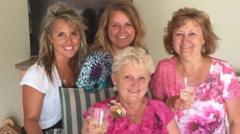
Anita Le Brun's campaign has succeeded in changing the law around alcohol service in care homes. Previously, care facilities required a full licence to serve any alcoholic beverages to residents, a restriction that prevented many homes from offering residents a simple drink with social activities.
Le Brun, an elderly resident herself, became the public face of the movement arguing that care homes should be permitted to serve alcohol without the burden of expensive licensing requirements. Her advocacy resonated with care home operators and policymakers who recognized that social drinking occasions, like Happy Hour gatherings, contribute to residents' quality of life and mental wellbeing.
The law change removes licensing barriers for care homes serving alcohol on-site to their residents. This allows facilities to host social events and provide residents with choices around beverages during meals and gatherings without regulatory obstacles that previously made such activities impractical.
Gerontologists have long recognized that social engagement and autonomy in daily choices support healthy aging. Care home residents benefit from normalized social activities that resemble life outside institutional settings. Modest alcohol consumption in supervised social contexts aligns with person-centered care principles that respect residents' preferences and dignity.
The campaign's success reflects growing recognition that overly restrictive regulations can inadvertently diminish quality of life for older adults. While care homes must maintain safety standards, the licensing requirement created unnecessary barriers to activities that pose minimal risk when properly supervised.
Le Brun's victory demonstrates how individual advocacy can drive policy reform that benefits vulnerable populations. Her case highlights the importance of listening to residents' voices when developing regulations affecting their daily lives. The change allows care homes greater flexibility to create enjoyable, normalized social environments that support residents' physical and emotional wellbeing during their later years.