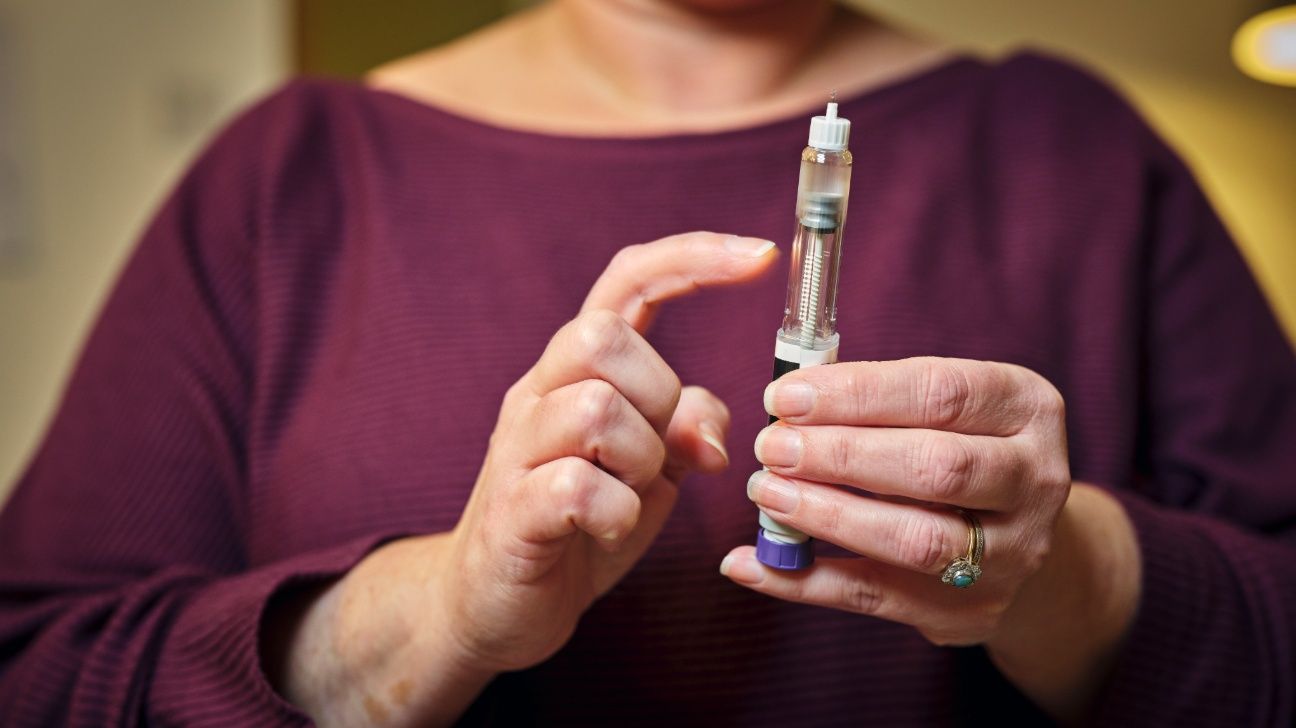
GLP-1 receptor agonists like semaglutide (Ozempic, Wegovy) and tirzepatide (Zepbound, Mounjaro) sustain reduced calorie intake for over a year, according to recent clinical research. This finding challenges the assumption that appetite-suppressing effects fade quickly with these medications.
The drugs work by mimicking glucagon-like peptide-1, a hormone that regulates blood sugar and appetite. Unlike short-term diet interventions, GLP-1s appear to create lasting changes in how people eat. Users report feeling fuller faster and experiencing reduced cravings for high-calorie foods.
Researchers tracking patients on these medications observed that calorie restriction persisted well beyond initial weight loss phases. Participants maintained lower intake even as their bodies adapted to the drugs, suggesting the appetite-suppressing mechanism remains effective over extended periods. This durability matters because weight regain is common after people stop dieting.
The sustained reduction in calorie consumption typically results in weight loss ranging from 15 to 22 percent of body weight for semaglutide users and up to 20 percent for tirzepatide users. Users also showed improvements in blood sugar control and cardiovascular markers.
However, the research underscores an important reality. These medications work best alongside lifestyle changes. Experts emphasize that GLP-1s function as tools, not replacements for healthy eating habits and physical activity. People who discontinue the medications often regain weight without concurrent behavioral changes.
Side effects remain a consideration. Nausea, vomiting, and gastrointestinal discomfort occur in many users, particularly during dose escalation. Some people develop gastroparesis, a condition affecting stomach emptying. The long-term safety profile is still being studied.
Cost and access present barriers for many patients. These medications