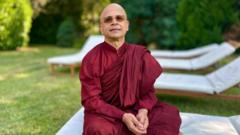
# Herefordshire Offers Ideal Conditions for Spiritual Development, Says Buddhist Monk
A senior Buddhist monk identifies Herefordshire as an exceptional location for spiritual growth and well-being. The monk points to the county's natural environment and peaceful character as essential factors that support personal development and happiness.
Buddhist practitioners recognize that external environment shapes internal mental states. Research in environmental psychology confirms that natural settings reduce stress and support contemplative practice. Studies show that green spaces lower cortisol levels and promote parasympathetic nervous system activation, the physiological state necessary for meditation and reflection.
The monk's assessment reflects long-standing Buddhist philosophy about the relationship between physical surroundings and spiritual progress. Monastics have historically chosen remote, quiet locations to establish practice communities. These environments minimize external distractions that pull attention away from inner work.
Herefordshire's rural character, countryside landscapes, and relative isolation from major urban centers create conditions that align with traditional monastic requirements. The county offers both the physical seclusion that supports sustained practice and access to community resources necessary for a functioning spiritual center.
The observation resonates with contemporary wellness research on how place influences mental health outcomes. People living in areas with natural beauty report higher life satisfaction and lower anxiety rates. The combination of natural landscape, quietness, and community support structures that rural areas often provide creates optimal conditions for both individual practitioners and group-based spiritual work.
This perspective underscores why Buddhist communities worldwide often establish monasteries and retreat centers in rural locations. The environment itself becomes a teacher, supporting practitioners through sensory experience of natural beauty and the absence of urban stimulation that triggers stress responses.