This trend is being sold as inevitable. It deserves more skepticism than it is getting.
Somewhere between Instagram aesthetics and genuine nutrition advice, the concept of "eating the rainbow" has transformed into something that feels less like guidance and more like marketing. The premise is simple: consume fruits and vegetables across the color spectrum, and you'll optimize your health. It's catchy. It's visual. It's shareable. And it's become ubiquitous enough that people now seem to believe nutritional value correlates directly with how many colors land on their plate.
The problem is that color-based eating can obscure what actually matters nutritionally, while making people feel virtuous about choices that may not serve their health goals.
Let's start with what's true: different colored produce does contain different phytonutrients and compounds. Orange vegetables contain beta-carotene. Purple berries contain anthocyanins. This is real biochemistry. But here's where the messaging breaks down. The TikTok-friendly version of this concept treats color as a proxy for nutrition, when in reality, nutritional needs are deeply individual and based on factors like age, activity level, metabolic health, and existing dietary patterns.
Not everyone needs to "complete the rainbow" to eat well. Someone managing blood sugar concerns might benefit from focusing on non-starchy greens and specific carbohydrate choices rather than chasing a diverse color palette that includes high-glycemic fruits. Someone else might have legitimate food allergies or preferences that make eating across the full spectrum impractical or unnecessary. The rainbow framework doesn't account for these nuances. It just insists on variety as a universal good.
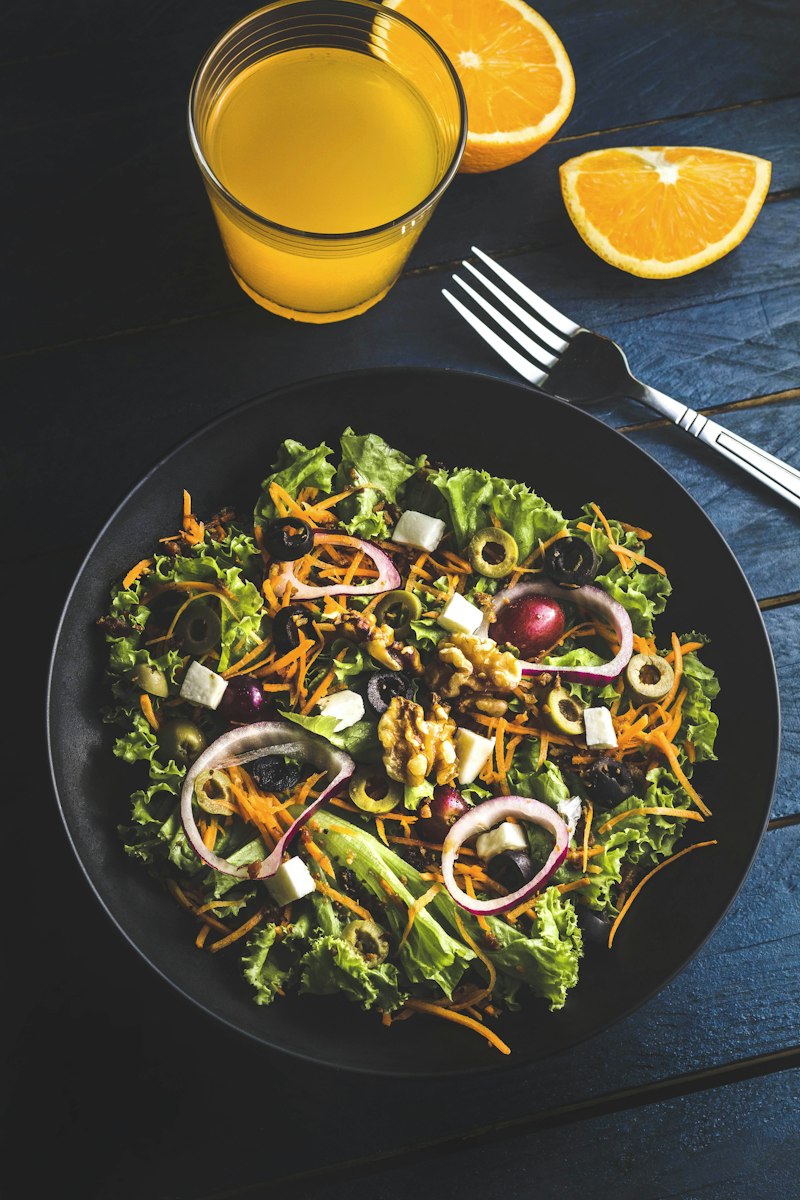
The real concern is what nutritionists call "health halo" eating. When people feel they've accomplished something by hitting five different colors at lunch, they may be less thoughtful about portion sizes, added sugars, or overall caloric intake. A plate with red tomatoes, orange sweet potato, yellow squash, green spinach, and blueberries looks nutritionally impressive. But if that plate also contains 800 calories when someone's body needs 1,800 daily, or if it's heavy on fruits and light on protein, the colors don't fix those imbalances.
There's also the elephant in the room: food access. The "eating the rainbow" messaging thrives in spaces where fresh, varied produce is abundant and affordable. For communities with limited grocery options or tight food budgets, this framework can feel like guilt-driven advice disconnected from reality. It can inadvertently shame people who are doing their best with available resources.
The wellness industry loves the rainbow framework because it's intuitive and aesthetically pleasing. It sells well. It's easy to build products, meal plans, and social media content around. But intuitive doesn't mean accurate, and popular doesn't mean universally beneficial.
A more honest approach to produce consumption would acknowledge that eating a variety of vegetables is generally good, but that the specific composition of someone's diet should account for their individual health markers, food preferences, and circumstances. Sometimes that means focusing on a handful of nutrient-dense foods rather than chasing chromatic variety.
By all means, expand your vegetable repertoire. Try different options. But don't let the aesthetics of wellness trends override the specifics of what your body actually needs. The colors on your plate matter less than the nutritional content in your body.