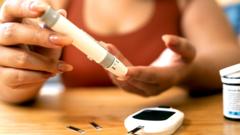
Type 2 diabetes diagnoses among women in their 20s are rising at an alarming rate in England, prompting health experts to sound warnings about prevention and early detection in this young demographic.
The trend represents a significant departure from historical patterns, where type 2 diabetes predominantly affected older adults. Young women now face metabolic risks traditionally associated with midlife and beyond. Researchers point to multiple factors driving this shift, including sedentary lifestyles, dietary changes toward ultra-processed foods, and rising obesity rates among young adults.
Dr. Naveed Sattar, a leading endocrinologist studying metabolic disease, notes that insulin resistance often develops silently. Many young women show no obvious symptoms until blood sugar levels have already climbed dangerously high. Early warning signs include increased thirst, frequent urination, fatigue, and unexplained weight gain.
Weight management remains central to prevention and treatment. Regular physical activity reduces insulin resistance and improves how the body processes glucose. Even moderate exercise like brisk walking for 150 minutes weekly shows measurable benefit. Dietary choices matter equally. Reducing sugary drinks, limiting refined carbohydrates, and increasing fiber intake through whole foods help stabilize blood sugar.
The rise affects women across socioeconomic backgrounds, though some communities face higher risk due to genetic predisposition. South Asian and Black women show elevated prevalence rates compared to their white peers.
Young women experiencing persistent symptoms should request fasting glucose tests or HbA1c screenings from their GP rather than assuming fatigue or weight changes reflect normal life stress. Early intervention, when the condition remains manageable through lifestyle changes alone, offers the best outcomes.
This emerging public health challenge underscores the importance of preventive health screening in young adulthood. Waiting until midlife to focus on metabolic health leaves women vulnerable to complications including heart disease and kidney damage.