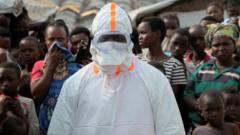
A UK humanitarian worker has been admitted to a London hospital for monitoring after potential exposure to Ebola virus in the Democratic Republic of Congo. The worker was evacuated from the region following the exposure incident.
Hospital staff are observing the individual for symptoms during the incubation period, which typically lasts between two to 21 days. This precautionary approach reflects standard infectious disease protocols when healthcare workers face potential exposure to highly contagious pathogens.
The evacuation demonstrates established procedures for protecting personnel working in high-risk environments. UK health authorities routinely monitor exposed individuals in specialized hospital settings where medical teams can track vital signs and respond quickly if symptoms develop.
Ebola virus causes severe bleeding, fever, and organ failure in infected patients. The disease spreads through direct contact with blood or body fluids of infected people or animals. Healthcare workers face elevated risk during patient care, particularly in settings with limited protective equipment or infection control infrastructure.
The DRC has experienced multiple Ebola outbreaks in recent years. Humanitarian workers operating in these regions receive training on infection prevention and exposure protocols, though risks remain inherent to the work.
London hospitals maintain capacity and expertise to manage suspected Ebola cases. The UK Health Security Agency coordinates with hospital infection control teams to ensure appropriate isolation and testing procedures.
This incident underscores the occupational hazards faced by humanitarian workers in regions experiencing viral outbreaks. International health organizations prioritize evacuating potentially exposed personnel to countries with advanced diagnostic and treatment capabilities.
The worker's monitoring represents a preventive measure rather than confirmation of infection. If no symptoms emerge during the incubation period, the individual will be cleared of infection risk.