# Summer Heat Demands Smarter Eating Strategies
During extreme heat, your body works harder to stay cool, burning extra calories and losing fluids through sweat. Nutrition experts recommend shifting your diet away from heavy, heat-generating foods toward options that support hydration and steady energy.
Protein's role during heat waves proves nuanced. While adequate protein remains essential for muscle maintenance and recovery, heavy protein sources like red meat generate significant metabolic heat as your body digests them. This process, called dietary thermogenesis, can raise core temperature when external conditions are already stressing your system.
Instead of abandoning protein entirely, registered dietitians suggest switching to lighter sources. Fish, particularly cold-water varieties, provides omega-3 fatty acids that support cardiovascular function under heat stress. Eggs offer complete protein with less thermal load than beef or pork. Greek yogurt and cottage cheese deliver protein alongside fluid content, addressing both nutritional and hydration needs simultaneously.
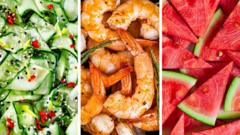
Hydrating foods become your allies. Watermelon, cucumbers, strawberries, and leafy greens contain 85 to 96 percent water and provide electrolytes like potassium that sweat depletes. These foods cool you from inside without relying solely on water intake.
Timing matters during heat waves. Eat your largest meal during cooler morning or evening hours. Smaller, frequent snacks throughout the day maintain energy without overloading your digestive system when temperatures peak.
Beverages warrant attention too. While plain water remains essential, coconut water provides natural electrolytes without added sugars. Herbal teas served cold offer hydration plus compounds that some research suggests may have mild cooling effects.
Skip the oven entirely. Raw preparations, chilled soups like gazpacho, grain bowls assembled cold, and no-cook options reduce both your kitchen heat and overall food