# Female Veterans Finding Community and Support Through Dedicated Groups
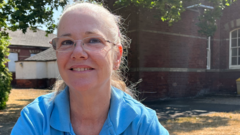
Chelley Tulloch, a former RAF medic, represents thousands of female veterans discovering practical help and emotional connection through specialized support networks. These groups, designed specifically for women who served in the military, are expanding their reach across the country and making measurable differences in veterans' lives.
Female veterans face distinct challenges that differ from their male counterparts. The transition from military service to civilian life involves navigating identity shifts, processing trauma, and rebuilding social networks. Many struggle with isolation, as female veterans comprise a smaller percentage of the veteran population overall, making peer connection harder to find. Tulloch and 47 others in her program have accessed tailored resources addressing these specific barriers.
These support groups operate on a foundation that goes beyond traditional counseling. They create spaces where women veterans can share experiences with others who understand military culture and the particular pressures women face within military settings. The groups facilitate job training, mental health resources, housing assistance, and peer mentorship. Members also report that simply being in a room with women who have walked similar paths reduces the shame and isolation many feel after discharge.
Research on veteran reintegration consistently shows that peer support accelerates healing and improves employment outcomes. The Veterans Affairs recognizes this, which is why dedicated women's programs have expanded in recent years. These groups often coordinate with mental health professionals, employment counselors, and housing advocates to provide comprehensive pathways back to civilian life.
The national expansion of these networks reflects growing recognition that female veterans deserve resources matching their actual needs rather than one-size-fits-all programs developed primarily for male service members. As more women join the military, these support structures become increasingly vital infrastructure for successful transitions.
Tulloch's participation in her group signals a trend. Women veterans who find community report better mental health outcomes, faster employment, and stronger family relationships. The work these groups do