# Remote Monitoring Brings Heart Failure Care to Rural Missouri
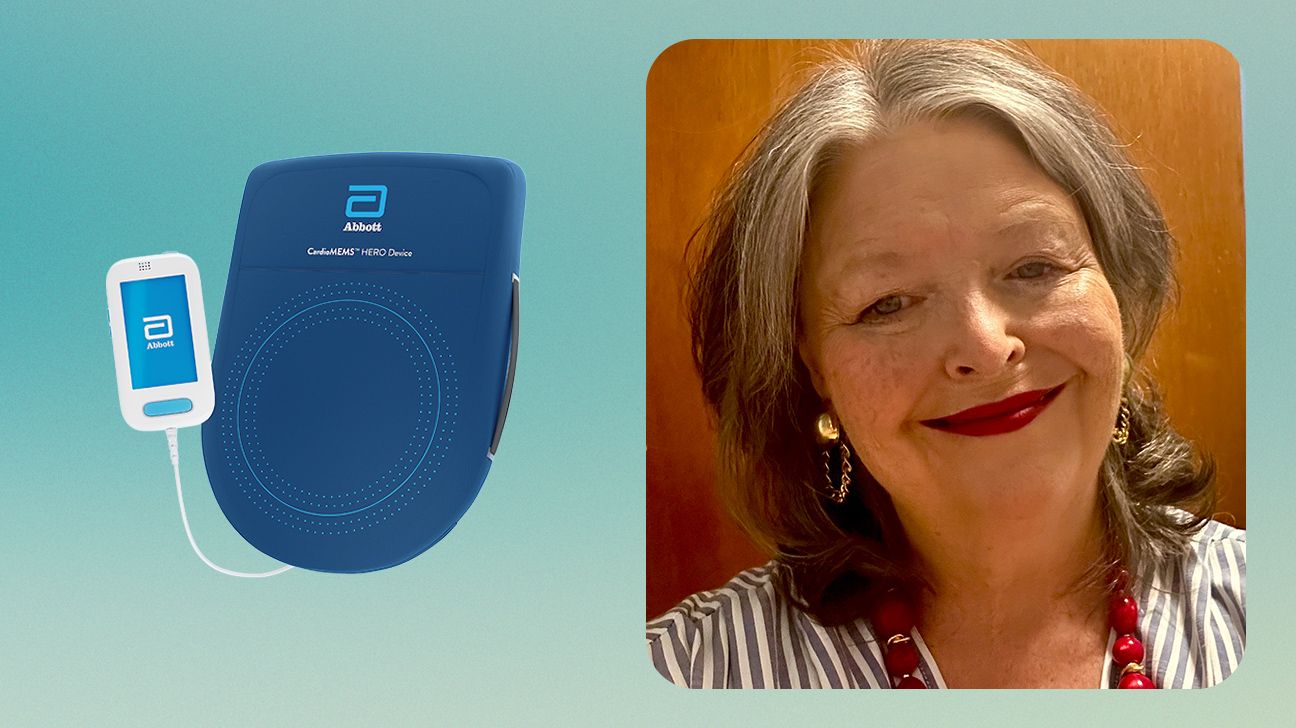
Angie Lindsey lives hours from the nearest heart specialist. After a heart attack, she faced a difficult reality many rural patients know well: accessing advanced cardiac care meant long drives and time away from work and family.
Remote monitoring technology changed that equation. Lindsey now wears a device that transmits data about her heart's rhythm and function directly to her care team. Cardiologists review her information from their offices, catching problems before they become emergencies.
This model addresses a concrete problem in rural healthcare. Specialists cluster in major cities. Rural hospitals often lack the equipment and expertise for complex heart conditions. Patients either endure lengthy commutes for appointments or skip care altogether, risking complications that require emergency hospitalizations.
Remote cardiac monitoring works through implanted or wearable devices that track heart rate, rhythm, blood pressure, and fluid levels. Data flows continuously to secure servers. Clinicians review alerts and trends, contacting patients when intervention is needed. Studies show the approach reduces hospital readmissions and improves outcomes for heart failure patients.
Lindsey's experience reflects what researchers are documenting nationwide. Remote monitoring eliminates the geography problem. It allows rural patients to receive specialist-level care without leaving their communities. For someone managing a chronic condition like heart failure, this means more frequent check-ins and faster response times to warning signs.
The technology works best when integrated into existing care systems. Rural hospitals partner with urban medical centers. Local providers handle routine management while specialists supervise complex cases remotely. This hybrid model leverages technology without requiring rural facilities to build expensive infrastructure.
Access remains uneven. Insurance coverage, broadband availability, and device compatibility all affect who benefits. Rural areas still lag in broadband speeds necessary for reliable data transmission. Yet momentum is building. Medicare increasingly covers remote monitoring. States recognize it as essential infrastructure for rural health